9 Common Causes of Car Accidents in Nevada
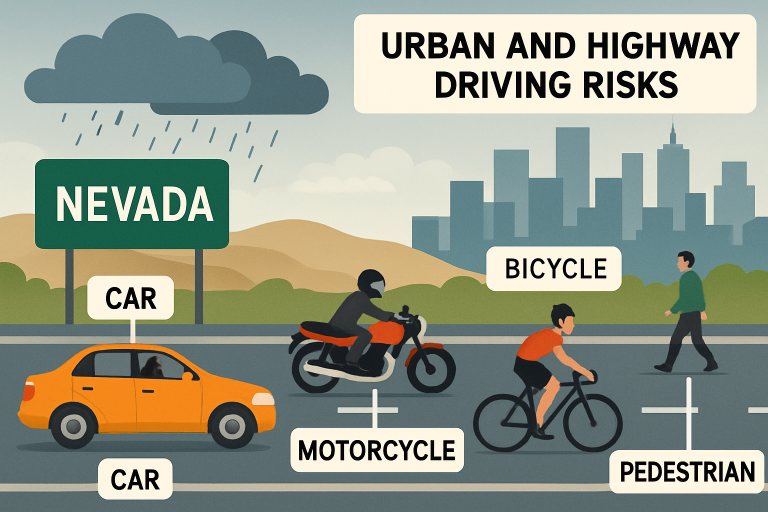
Table of Contents
- Driving Under the Influence (DUI)
- Speeding
- Distracted Driving
- Reckless and Aggressive Driving
- Weather Conditions
- Fatigue
- Running Red Lights and Stop Signs
- Pedestrian and Bicycle Accidents
- Motorcycle Accidents
- Accident Prevention Tips
Nevada’s vibrant blend of urban centers, desert highways, and scenic byways creates a unique set of hazards for motorists. While driving offers freedom to explore the Silver State, it also demands vigilance amid busy city traffic, unpredictable weather, and tourist activity. Knowing the most frequent causes of accidents in this area can help drivers form safer habits and keep roadways safer for everyone. Whether you’re commuting daily or visiting iconic destinations, getting familiar with these risks—and how to prevent them—is essential. For those seeking further legal resources, blakefriedmanlaw offers comprehensive insight into accident claims and driver rights.
According to the Nevada Department of Transportation, thousands of collisions occur across the state each year, with a significant portion leading to life-altering injuries. Urban areas, such as Las Vegas, experience especially high rates of crashes due to heavy vehicle and pedestrian interaction; however, even less-traveled routes can be hazardous. By proactively understanding the root causes of accidents in Nevada, drivers can adapt their behavior and contribute to lowering the state’s accident statistics.
Driving Under the Influence (DUI)
Driving under the influence is a prevalent source of accidents in Nevada, accounting for approximately 40% of road fatalities according to state enforcement agencies. Drivers impaired by alcohol, recreational drugs, or prescription medication present a substantial risk not just for themselves, but also for other road users. State law sets strict thresholds for blood alcohol content based on age and license type, but enforcement agencies regularly report violations. The ramifications of DUI collisions are severe, ranging from license suspension to criminal charges, highlighting the importance of sober driving to prevent tragedies.
Speeding
Excessive speed remains one of the most dangerous behaviors on Nevada’s highways. Drivers often underestimate stopping distances, especially on long, empty stretches of road where it may seem safe to exceed posted limits. Speeding magnifies both the risk of losing control and the severity of a collision, leading to catastrophic injuries and fatalities—impacts that extend far beyond the initial crash scene. According to the Federal Highway Administration, speeding is a contributing factor in 29% of all fatalities nationwide.
Distracted Driving
Distracted driving is alarmingly common statewide. The use of smartphones for texting, navigation, or social media diverts drivers’ attention from the road for precious seconds. Food, in-car entertainment systems, and even conversations among passengers further increase risks. In just one recent year, more than 3,000 crashes in Nevada involved distracted driving, with consequences ranging from property damage to fatal injuries. Staying focused, keeping hands on the wheel, and eyes up is critical to accident prevention.
Reckless and Aggressive Driving
Aggressive driving behaviors, such as tailgating, sudden lane changes, and speeding through traffic, pose a daily danger to road users. Nevada highways, particularly during rush hour or special events, are no strangers to road rage incidents. These behaviors not only increase the likelihood of crashes but also heighten the risk of multi-vehicle pile-ups and serious harm to all parties involved. Law enforcement campaigns regularly target aggressive drivers in an effort to curb this leading cause of accidents.
Weather Conditions
Nevada’s climate varies dramatically across the state. While the desert southwest often grapples with extreme heat and occasional flash floods, the northern regions face icy roads and snowfall, especially during winter. Many local drivers lack experience with inclement weather conditions, making even slight shifts in the weather treacherous. Accidents spike during severe weather events as reduced visibility and slick surfaces catch motorists off guard.
Fatigue
Drowsy driving is underestimated as a factor in serious crashes. Fatigue slows reaction times, dulls judgment, and can result in microsleeps—brief lapses where drivers lose consciousness for seconds. Long distances between cities, especially across Nevada’s vast rural stretches, encourage drivers to push their limits without adequate rest breaks, which dramatically increases accident risks.
Running Red Lights and Stop Signs
The failure to obey traffic signals leads to high-speed, side-impact collisions, which are among the most lethal types of crashes. Urban intersections in Las Vegas and Reno commonly see drivers run red lights either out of impatience or distraction, increasing the odds of severe injuries. Consistent enforcement and public awareness campaigns have helped reduce violations, but the problem persists.
Pedestrian and Bicycle Accidents
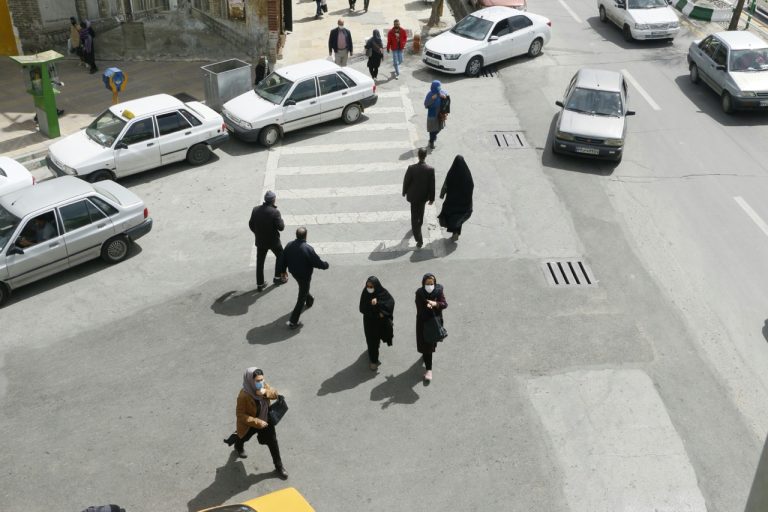
Nevada’s status as a tourist destination generates significant pedestrian activity, particularly on the Las Vegas Strip, where foot traffic and vehicle traffic intersect. Cyclists sharing roads with vehicles are also at risk, especially when drivers are inattentive or when intersections lack dedicated traffic signals. Local governments have invested in safer crossings, improved signage, and protected lanes to help reduce these accidents, but continued vigilance by both motorists and non-motorists remains crucial.
Motorcycle Accidents
Motorcycles represent a small fraction of traffic but are significantly overrepresented in severe crash statistics. Factors such as inadequate protective gear, poor visibility for other drivers, and inexperienced riders contribute to frequent and serious injuries. National data highlights the importance of helmet usage and rider training, both of which remain significant challenges in Nevada’s rapidly growing motorcycle community.
Accident Prevention Tips
- Always drive sober and remain alert to other road users.
- Follow posted speed limits, especially in high-risk areas or during poor weather conditions.
- Use hands-free devices and avoid multitasking while driving.
- Anticipate the actions of others—defensive driving can help avoid aggressive or unpredictable motorists.
- Adapt your driving to weather, road surface, and time of day.
- Prioritize rest, especially on long journeys, and avoid risky hours such as overnight travel.
- Obey all traffic signals, stop signs, and yield the right of way to vulnerable road users.
By understanding these common causes of accidents in Nevada and practicing safe driving techniques, motorists can protect themselves and others, contributing to a culture of safety on the roads.