Navigating Life After a Personal Injury
Experiencing a personal injury is a life-altering event. It can disrupt not only your physical health but also your everyday routine, emotional state, and relationships. After an accident, many people find themselves in a whirlwind of emotions, confusion, and uncertainty.
How can one regain control and find a sense of peace during such a tumultuous time? This article discusses strategies that can support your recovery and help you reclaim your life after experiencing a personal injury.
Understanding Personal Injury
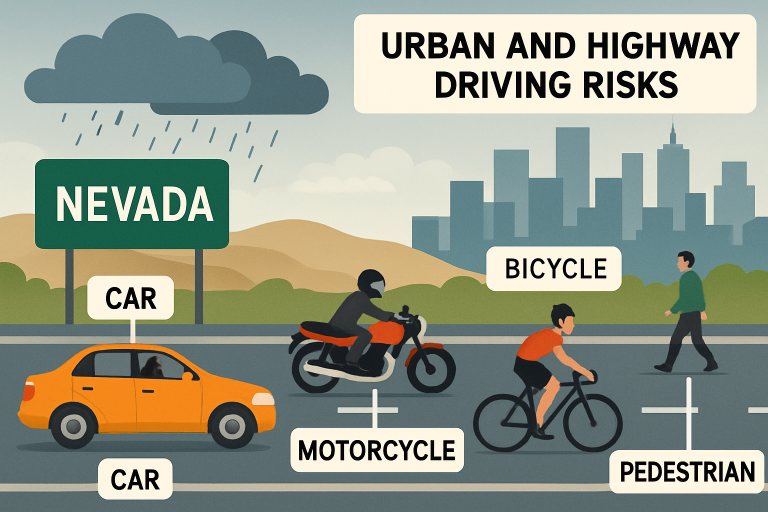
A personal injury affects individuals in many ways, including physical pain, emotional distress, and financial burdens. Whether it is caused by a car accident, a slip and fall, or a workplace incident, knowing the impact of these events on your life is essential.
Each personal injury can lead to unexpected medical bills, lost income, and the challenge of adapting to new limitations. Acknowledging the comprehensive effects of a personal injury can help you formulate a plan to heal effectively.
The Importance of Mental Health
After a personal injury, many individuals might experience feelings of sadness, anger, or frustration. The emotional responses to painful events are totally normal, but it’s vital to address these feelings to maintain mental well-being during recovery. As you recover, consider these strategies to nurture your mental health:
Seek Professional Help
Sometimes, speaking with a therapist or counselor can provide significant benefits. These professionals can give you tools to process your emotions and build resilience. Therapy can help you understand and manage feelings related to grief, anxiety, and even post-traumatic stress disorder (PTSD) that sometimes emerges after an injury.
Stay Connected with Loved Ones
Building and maintaining strong relationships is crucial to recovery. Friends and family members can provide emotional support, encouragement, and companionship during challenging times.
Engaging with your loved ones can help lift your spirits and lessen feelings of isolation. Remember that opening up to them about your struggles can deepen your connection.
Physical Recovery Matters
The road to recovery after a personal injury involves not only healing your mind but also your body as well. Physical recovery can sometimes take time, and it’s essential to follow your doctor’s advice regarding your treatment plan. On the other hand, staying engaged in physical activities that fit your abilities can enhance both your mental state and your physical health.
Follow Your Doctor’s Recommendations
Consistently following your healthcare provider’s recommendations allows you to heal effectively. Attend medical appointments and communicate openly about your symptoms. Each step you take brings you closer to recovery and ensures you feel supported.
Incorporate Gentle Exercises
When you’re ready, incorporating gentle exercises into your routine can be essential for both physical and mental recovery. Activities like walking, swimming, or yoga can help improve mood, strengthen your body, and increase your stamina.
Finding Peace of Mind
After a personal injury, finding peace of mind can feel difficult, but it is crucial for your overall well-being. By establishing a sense of calm and stability in your life, you are better equipped to manage the ongoing challenges of recovery.
Practice Mindfulness and Relaxation Techniques
Mindfulness practices, such as meditation and deep-breathing exercises, can significantly reduce anxiety and create a sense of calm. Dedicate time each day to sit in silence, focus on your breathing, and center your thoughts. Engaging in relaxation techniques can help mitigate stress and aid in mental clarity.
Consider a Support Group
Gaining support from others who have experienced similar challenges can be incredibly beneficial. Support groups allow individuals to share experiences, offer encouragement, and actively help one another on the road to recovery. This can help create a strong sense of community and provide comfort during difficult times.
Legal Assistance After a Personal Injury
Dealing with legal aspects after a personal injury can be overwhelming. However, receiving the right legal support is essential for your recovery journey.
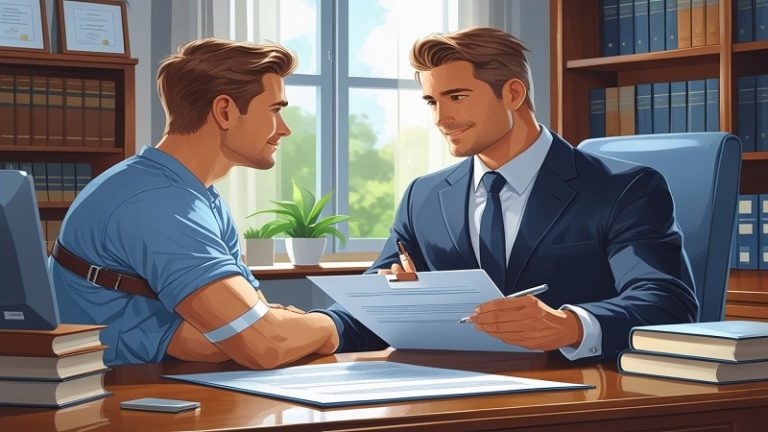
A personal injury lawyer can guide you through the process, help you understand your rights, and work to secure the compensation you deserve. This assistance can ease the financial burdens related to medical bills, lost wages, and pain and suffering.
Understanding Your Rights
After a personal injury, it is important to know your rights. Consult a lawyer to ensure you understand your options and navigate any disputes arising from your situation. The sooner you seek legal counsel, the better prepared you will be to handle negotiations and any potential challenges.
Gathering Evidence
Collecting evidence about your accident and its impact on your life is also crucial. This may include medical records, photographs, and witness statements. Your lawyer can help you compile these documents, which will support your case and aid in obtaining the compensation you deserve.
Setting Goals for Recovery
Recovery from a personal injury is often a journey that requires patience and determination. While the path may not always be easy, setting achievable goals can help you maintain focus and motivation.
Break Down Goals into Small Steps
Setting small, manageable goals makes the recovery process feel less overwhelming. For instance, aim to take short walks or engage in daily stretches. Celebrate each small accomplishment as it brings you closer to feeling like yourself again.
Reassess Goals Regularly
As your recovery progresses, don’t hesitate to reevaluate your goals. Adjust them based on your physical progress, emotional well-being, and overall health. Adapting goals can help you stay on track while ensuring you remain focused on what matters most during your recovery.
Embracing Life After a Personal Injury
While a personal injury can feel like a significant setback, it is also an opportunity for growth and resilience. Embracing life after an injury means acknowledging the changes and challenges you face while focusing on recovery and rebuilding a full life.
Finding New Hobbies
Exploring new hobbies that match your current abilities can rejuvenate your spirit and keep your mind engaged. Whether it’s painting, gardening, or reading, discovering new interests can bring joy and purpose back into your life.
Adapting to Changes
It’s essential to understand that recovery will look different for everyone, and trials may arise throughout the journey. Adapting to your new circumstances is a sign of strength. Remain open to change, and remember that each step towards healing is a victory.
Navigating Your New Normal
Life after a personal injury is a journey filled with challenges, yet it can also offer the possibility for growth and resilience. Recovery will require patience and dedication, but consistently pursuing your goals can lead to peace of mind. Remember, you are not alone in this journey, and there are resources available to help support you.
Visit our website and read more.