What Homeowners Often Get Wrong About Air Conditioning Lifespans
The conversation about air conditioning replacement rarely happens at the right time. Most homeowners find themselves scrambling during a heat wave, forced into rushed decisions when their system finally fails completely. This reactive approach stems from several persistent misunderstandings about how long these systems actually last and what factors influence their longevity. Understanding these misconceptions can help you plan more effectively and avoid the stress of emergency replacement.
The “Still Running” Fallacy
Perhaps the most widespread misunderstanding among homeowners is equating basic functionality with acceptable performance. As long as cool air emerges from the vents, many people assume their system remains in good health. This perspective ignores the gradual decline that affects every air conditioning unit as it ages.
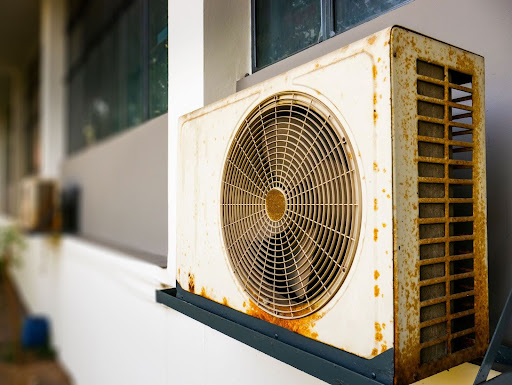
An air conditioner in its fifteenth year of operation might still cool your home, but it likely does so at a significant cost. Efficiency degrades incrementally, often so slowly that homeowners fail to notice the creeping increase in their energy bills. The compressor works harder, the refrigerant cycles become less effective, and the overall system consumes more electricity to achieve the same result. By the time most people recognize something has changed, their monthly costs may have increased by thirty percent or more compared to when the unit was new.
This gradual decline means that a “working” system can actually cost you more in operational expenses than the monthly payment on a replacement unit would. The math rarely gets calculated because the existing system still technically functions, creating a false sense of economy in keeping it running.
Misunderstanding Average Lifespan Statistics
Industry publications frequently cite average air conditioning lifespans between fifteen and twenty years, and homeowners often interpret these figures as guarantees rather than statistical midpoints. The reality proves far more nuanced. Climate conditions, usage patterns, installation quality, and maintenance history all dramatically influence how long any particular system will operate effectively.
A unit installed in a region with mild summers and moderate humidity faces entirely different demands than one cooling a home through five months of intense heat and high moisture levels. Homeowners in challenging climates often discover their systems showing significant wear by year ten or eleven, well before they expected to think about replacement.
Installation quality matters equally. A system that was improperly sized for the home, inadequately charged with refrigerant, or connected to poorly designed ductwork will struggle from day one. These units often fail years earlier than their properly installed counterparts, leaving homeowners confused about why their “almost new” system already needs attention.
The Repair Versus Replace Calculation
Many homeowners approach air conditioning repairs with an optimism that borders on magical thinking. Each fix seems like a reasonable investment that will extend the system’s life indefinitely. What often goes unexamined is the cumulative cost of these repairs and what they reveal about the system’s overall condition.
When homeowners begin searching for solutions to ongoing problems, typing phrases like ac repair in waco tx into their browsers, they typically focus on resolving immediate symptoms rather than evaluating broader system health. A capacitor replacement here, a contactor repair there, perhaps a refrigerant recharge in between. Individually, each repair seems economical compared to full replacement. Collectively, they often signal a system entering its final years.
The challenge lies in recognizing when repairs transition from maintaining a healthy system to prolonging an inevitable decline. A useful framework considers both the cost of the repair relative to replacement and the age of the system. A five-hundred-dollar repair on a seven-year-old unit represents reasonable maintenance. That same repair on a fourteen-year-old system likely delays replacement by months rather than years.
Efficiency Ratings and Real-World Performance
Homeowners frequently misunderstand what efficiency ratings actually measure and how those measurements translate to their specific situation. SEER ratings, the standard metric for air conditioning efficiency, represent performance under ideal laboratory conditions. Real-world operation involves dust accumulation, duct leakage, improper refrigerant levels, and countless other variables that reduce actual efficiency below rated levels.
This gap between rated and actual performance widens as systems age. A unit rated at fourteen SEER when new might effectively operate at ten or eleven SEER after a decade of service, even with regular maintenance. The components wear, the coils degrade, and the overall system simply cannot match its original specifications. Homeowners comparing their existing system to newer models often underestimate this real-world efficiency gap, leading to overly conservative estimates of potential energy savings from replacement.
Warning Signs Worth Monitoring
Rather than waiting for complete failure, attentive homeowners can identify patterns that suggest their system is approaching the end of its effective lifespan. Rising energy bills during similar weather periods often provide the first indication of declining efficiency. Comparing July’s electricity usage across several years, accounting for rate changes and weather variations, can reveal gradual increases that might otherwise go unnoticed.
Humidity control frequently deteriorates before cooling capacity noticeably declines. A home that feels clammy despite reaching thermostat temperatures suggests the system can no longer adequately remove moisture from the air. This symptom often precedes more obvious problems by a year or two, providing valuable advance warning for homeowners paying attention.
Sound changes also merit consideration. New noises, whether grinding, clicking, or humming, indicate components under stress. While any individual sound might represent a simple repair, a system that develops new sounds regularly is communicating its declining condition.
The Value of Proactive Planning
Understanding these misunderstandings enables a fundamentally different approach to air conditioning replacement. Rather than waiting for crisis, informed homeowners can monitor their systems, track relevant indicators, and make replacement decisions during the off-season when contractors have availability and manufacturers sometimes offer better pricing.
This proactive stance transforms air conditioning replacement from an emergency expense into a planned home improvement. Homeowners gain time to research options, compare efficiency levels, and make decisions that align with their budget and comfort priorities. The stress of emergency replacement disappears, replaced by the satisfaction of making a thoughtful decision about a significant home system.
Your air conditioning system will eventually require replacement. Whether that transition happens on your terms or the system’s depends largely on how well you understand what to expect and what to watch for along the way.