
How to Pick the Perfect Surface for Every Style of Dance Performance
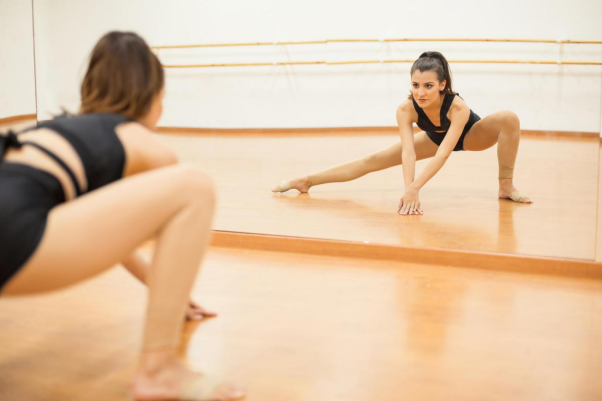
Choosing the right dance surface is just as important as choreography, music, or lighting. The floor beneath a dancer’s feet affects safety, performance quality, sound, stamina, and even artistic expression. A poor surface can lead to slips, injuries, or muted movement, while the right one can elevate a performance and protect dancers’ bodies over time.
Because different dance styles place very different demands on the floor, there is no single “best” surface for all situations. This guide breaks down how to select the perfect dance surface for every major style of dance performance. Read on.
Why Dance Surfaces Matter
A dance surface must balance traction, shock absorption, stability, and responsiveness. Too much grip can strain joints; too little can cause dangerous slips.
Hard floors amplify sound and precision but increase impact stress, while softer floors reduce injury risk but may reduce speed or clarity of movement. Understanding these trade-offs is the first step toward making the right choice.
Key factors to consider include:
- Injury prevention
- Movement quality
- Acoustics
- Durability and maintenance
- Portability
Ballet: Precision, Control, and Cushioning
The Best surfaces for it are sprung floors with Marley (vinyl) covering or smooth hardwood with subfloor cushioning. Ballet demands clean lines, controlled turns, and frequent jumps.
Dancers need enough traction to feel secure en pointe or demi-pointe, but not so much that it locks the foot during rotation. A sprung floor-one designed to absorb shock-is essential to protect ankles, knees, hips, and lower backs during repeated jumps.
Marley surfaces are popular for ballet because they provide a consistent grip and are gentle on pointe shoes. For classical theaters, hardwood over a sprung subfloor is also common, provided it is well-maintained and not overly slick.
Younned to avoid concrete or tile without shock absorption, which greatly increases injury risk.
Contemporary and Modern Dance: Versatility and Floor Work
The Best surfaces for it are sprung floors with Marley or semi-matte vinyl. Contemporary and modern dance involve rolling, sliding, falling, and frequent contact with the floor.
The surface must be forgiving on the skin while still allowing smooth transitions. A slightly softer marley with moderate traction works well, enabling controlled slides without burns or abrupt stops.
Shock absorption is especially important because modern choreography often emphasizes grounded movement and full-body weight transfers. You need to avoid rough wood or overly sticky vinyl, which can restrict fluid motion and cause friction injuries.
Jazz and Musical Theatre: Energy and Stability
The Best surfaces for it are sprung floors with medium-grip marley or hardwood. Jazz dance is dynamic and fast-paced, with sharp direction changes, turns, and jumps.
Dancers need a surface that provides reliable traction without sacrificing speed. Marley floors with a medium grip are ideal for consistency across rehearsals and performances.
In musical theatre, where styles may blend jazz, ballet, and character movement, versatility is key. A sprung surface ensures performers can handle long runs without excessive fatigue. You need to avoid extremely slick surfaces that make quick directional changes unsafe.
Hip-Hop and Street Styles: Grip and Impact Resistance
The Best surfaces for it are sprung floors with durable vinyl or specialized portable dance panels. Hip-hop styles-breaking, popping, locking, and freestyle-place high impact on wrists, shoulders, and backs due to drops, freezes, and floorwork. The ideal surface offers shock absorption while remaining firm enough for explosive power moves.
For breaking, many crews prefer vinyl over sprung wood or modular dance panels that provide consistent performance and portability. Some dancers even customize surfaces depending on whether they prioritize spins, freezes, or footwork. You need to avoid bare concrete or asphalt, which dramatically increases injury risk over time.
Tap Dance: Sound and Stability
The Best surfaces for it are hardwood floors (maple or oak) over a sprung subfloor. Tap dancing is unique because the floor is also an instrument.
Dancers need a surface that produces clear, resonant sound while supporting fast, precise footwork. Hardwood floors are the gold standard, offering excellent acoustics and responsiveness.
A sprung subfloor is still important to reduce impact stress, especially during long performances or rehearsals. Some stages also incorporate removable tap boards to protect the underlying floor while enhancing sound. You need to avoid vinyl or marley surfaces, which dampen sound and wear down tap shoes.
Ballroom and Latin Dance: Smoothness and Glide
The Best surfaces for it are polished hardwood with controlled slip. Ballroom and Latin dances rely heavily on gliding, turns, and partner connection.
The surface must allow dancers to travel smoothly without sudden resistance. Hardwood floors with a carefully maintained finish provide the right balance of slip and control.
Too much grip can interfere with spins and cause joint strain, while overly slick floors increase the risk of falls-especially for fast Latin styles. You need to avoid highly textured or rubberized surfaces that prevent fluid travel.
Flamenco and Folk Dance: Strength and Sound
The Best surfaces for it are reinforced hardwood floors. Flamenco and many folk dances involve strong, rhythmic footwork and heel strikes.
The surface must be sturdy enough to withstand repeated impact while producing sharp, percussive sound. Hardwood floors with proper reinforcement and a slight spring are ideal.
These surfaces should be regularly inspected, as constant impact can loosen boards over time. You need to avoid soft vinyl or foam-backed floors that absorb sound and reduce clarity.
Outdoor and Site-Specific Performances: Adaptability
The best surfaces for it are portable dance floors with shock absorption. Outdoor and unconventional performance spaces present unique challenges.
Portable dance floors-often modular and layered-allow dancers to perform safely on grass, concrete, or uneven ground. These systems usually include a base for leveling, shock absorption, and a performance surface tailored to the dance style.
Weather resistance and quick setup are additional considerations for outdoor events. Check out Connor dance floor services to learn more.
Have the Right Floors for Your Needs
The perfect dance surface is not universal-it is purpose-built. By understanding the physical and artistic demands of each dance style, choreographers, studio owners, and event planners can choose surfaces that enhance performance quality while protecting dancers’ health.
A thoughtful flooring choice doesn’t just support movement. It becomes an invisible partner in every leap, slide, and step, allowing dancers to perform at their very best.
If you want to read more articles, visit our blog.