
A Beginner’s Guide to Spotting and Evaluating Smoke Plumes
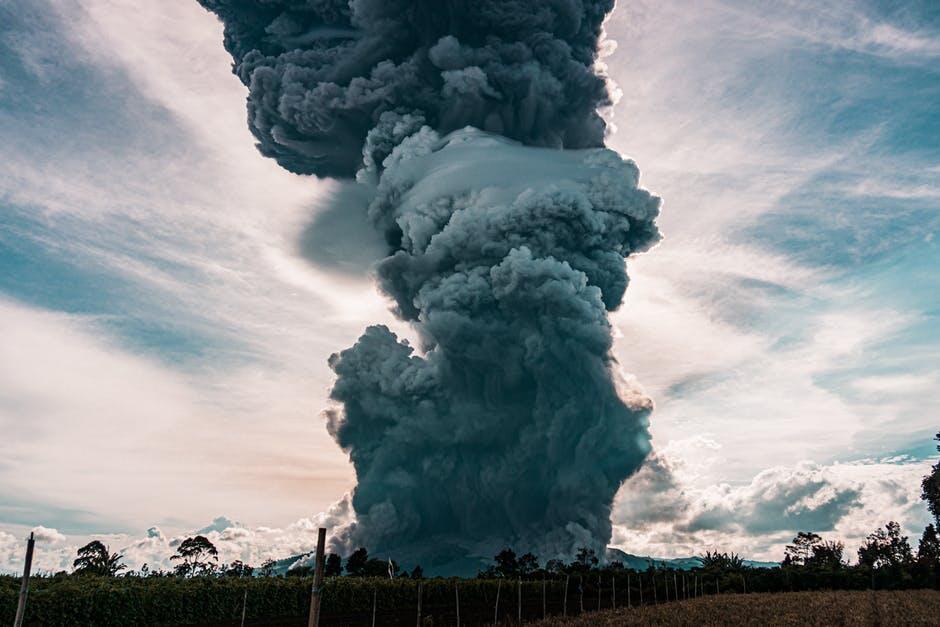
Smoke plumes can tell an important story about what is happening at an industrial site, power plant, or even a small facility.
For beginners, learning how to spot and evaluate these plumes may seem challenging at first. However, with a little practice and basic knowledge, anyone can learn to recognize what is normal and what may signal a problem.
In this guide, you will learn what smoke plumes are, why they matter, and how to evaluate them using simple observation skills. This article is written in clear, easy-to-read language to help you build confidence as you get started.
What Is a Smoke Plume?
A smoke plume is the visible trail of emissions released into the air from a stack, chimney, or vent. These plumes can appear as smoke, vapor, or haze. They may be white, gray, black, or even light blue, depending on what is being released.
Not all plumes are harmful. Some are made mostly of water vapor, while others contain particles or gases that can affect air quality. The key is learning how to tell the difference through careful observation.
Why Evaluating Smoke Plumes Matters
Evaluating smoke plumes is important for safety, environmental protection, and regulatory compliance. Excessive or dark emissions can signal equipment problems, poor combustion, or maintenance issues. If left unchecked, these issues can lead to air pollution and potential violations.
By learning how to observe smoke plumes correctly, beginners can help identify problems early. This supports cleaner operations and helps protect surrounding communities.
Key Features to Observe in a Smoke Plume
When looking at a smoke plume, focus on a few basic features. These simple checks can tell you a lot.
Color
Color is one of the easiest and most important features to observe when evaluating a smoke plume. White plumes often indicate steam or water vapor, especially during cooler weather.
Light gray plumes may suggest normal combustion. Dark gray or black plumes can be a sign of incomplete combustion, excess fuel, or equipment issues, and they usually require closer attention.
Density
Density refers to how thick or opaque the plume looks. A thin, light plume is usually less concerning than a thick, heavy one. Changes in density over time can be a sign that something has changed in the process.
Duration
Notice how long the plume lasts. Short bursts may occur during startup or shutdown. Continuous plumes that remain dark or dense for long periods may need attention.
Movement
Movement describes how the smoke plume travels once it leaves the stack or vent. A plume that moves smoothly with the wind usually indicates steady airflow and normal operating conditions.
Sudden changes in direction, uneven flow, or plume breakup may suggest airflow disruptions, wind turbulence, or equipment-related issues that should be observed more closely.
Tools and Training for Beginners
While observation is key, training can greatly improve accuracy. Many beginners choose to learn through an online visible emissions course to better understand opacity, plume behavior, and proper evaluation methods. Structured training helps observers stay consistent and confident when making assessments.
Using reference charts, observation logs, and proper viewing positions can also improve results. These tools help remove guesswork and support clearer decisions.
Building Confidence in Smoke Plume Evaluation
Learning how to spot and evaluate smoke plumes does not have to be complicated.
With practice and the right training, these skills can support safer operations and cleaner air. If you want to deepen your understanding, consider exploring training options and resources that can help you take the next step with confidence.
Found this article useful? Keep browsing the rest of this section for more.