
A Close Encounter With Nature’s Most Fascinating Creatures
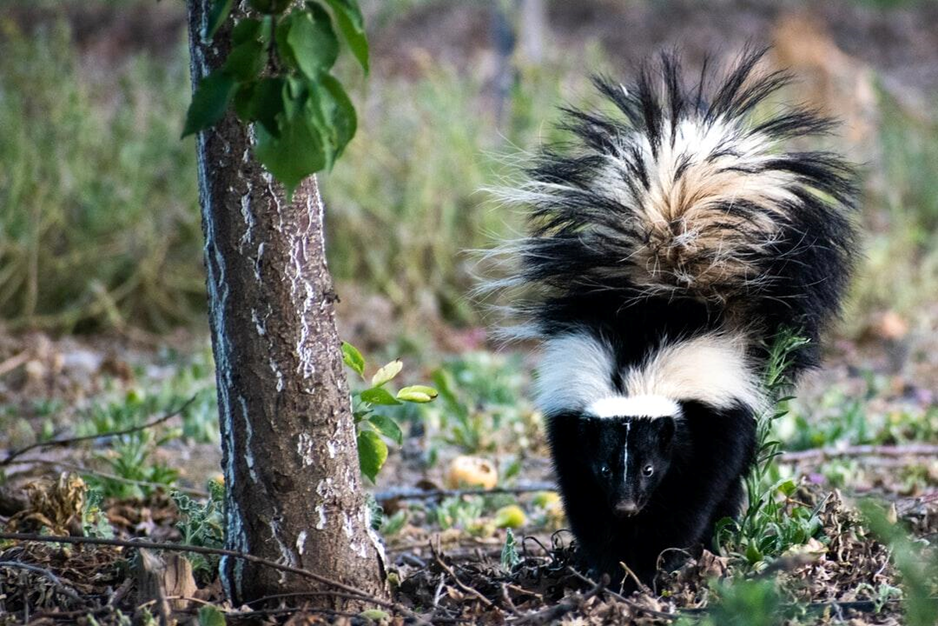
Nature is full of surprises, and some creatures are downright mind-blowing. From dazzling colors to strange behaviors, the animal kingdom never fails to amaze.
Think of tiny insects that glow in the dark or deep-sea dwellers with lights on their heads. Some creatures can survive freezing temperatures, while others can change shape to blend in perfectly.
Every corner of the planet hides a wonder, waiting to be discovered. Ready to meet nature’s most fascinating creatures? Let’s go!
The Majestic Blue Whale
The blue whale is the largest animal on Earth, reaching lengths of up to 100 feet. Despite its massive size, it moves gracefully through the ocean, feeding mainly on tiny krill.
Their songs can travel for miles underwater, communicating with other whales across great distances. Blue whales are gentle giants, inspiring awe wherever they are seen.
Observing one in its natural habitat is a humbling experience that reminds us of nature’s scale and power. Protecting their oceans is vital, as human activities like shipping and pollution pose threats.
These magnificent creatures are a true symbol of the beauty and mystery that lies beneath the waves.
The Mysterious Axolotl
The axolotl, also known as the “walking fish,” is famous for its unusual ability to regenerate lost body parts. Unlike most amphibians, it remains in its larval form throughout life, keeping its external gills and aquatic lifestyle.
Its wide smile and curious eyes make it look almost magical. Native to Mexican lakes, axolotls are rare in the wild but popular in scientific research and aquariums.
They can regenerate limbs, spinal cords, and even parts of their heart. This makes them one of nature’s most fascinating survivors. Watching them swim gracefully in water feels like witnessing a tiny miracle, a reminder of how extraordinary evolution can be.
The Colorful Poison Dart Frog
Poison dart frogs are tiny but packed with vibrant colors that warn predators of their toxicity. They come in bright shades of blue, red, yellow, and green, making them look like living jewels in the rainforest.
Despite their beauty, they are careful and skilled hunters, feeding on small insects like ants and termites. Indigenous people once used their poison for hunting, giving them their name.
These frogs thrive in humid, tropical environments, relying on moisture to survive. Their colors, behavior, and unique life cycle make them a marvel of adaptation. Seeing one in the wild is like spotting a tiny rainbow, alive and full of energy.
The Adaptable Arctic Fox
The Arctic fox is a master of survival in freezing, icy landscapes. Its thick white fur keeps it warm in winter, while in summer, it changes to brown or gray to blend with the tundra.
It hunts lemmings, birds, and fish, using its keen sense of smell to locate prey beneath the snow. Arctic foxes are also clever scavengers, following polar bears to leftovers. Their ability to adapt to extreme conditions is remarkable.
They even dig dens to shelter from storms and raise their young safely. The Arctic fox shows that nature rewards resourcefulness, blending beauty, intelligence, and survival skills in one small but mighty creature.
The Enigmatic Snow Leopard
Snow leopards are elusive, graceful cats found high in the mountains of Central Asia. Their thick, spotted fur protects them from freezing temperatures, while their wide paws act like snowshoes for walking on powdery terrain.
They are rarely seen by humans and are considered true ghosts of the mountains. Snow leopards hunt wild goats and sheep with incredible skill, leaping across cliffs with power and precision.
Conservation efforts are crucial, as habitat loss and poaching threaten their survival. These cats are not only symbols of wild beauty but also of resilience. Catching a glimpse of one in its natural habitat is a magical experience few ever forget.
The Incomparable Monarch Butterfly
Monarch butterflies are famous for their long, incredible migrations across North America. Every year, they travel thousands of miles, from Canada and the U.S. to wintering spots in Mexico.
Their bright orange and black wings are not only beautiful but also warn predators of their bitter taste. They rely on milkweed plants to lay eggs and feed their caterpillars, making conservation of these plants essential.
Watching a swarm of monarchs flutter together is mesmerizing, like a living, moving tapestry. Their journey shows determination and teamwork, inspiring scientists and nature lovers alike.
The Majestic African Elephant
African elephants are the largest land animals, known for their intelligence, social bonds, and incredible memory. They live in herds, led by wise matriarchs who guide the group to food and water.
Elephants communicate through sounds and vibrations, often traveling long distances to find resources. They shape their environment by uprooting trees and creating waterholes, supporting entire ecosystems.
For instance, when going for Uganda gorilla trekking, you may also spot these gentle giants nearby, adding to the magic of wildlife encounters. Watching an elephant herd in the wild is unforgettable, a testament to strength, intelligence, and the beauty of nature.
The Vibrant Parrotfish
Parrotfish are colorful reef dwellers and are famous for their bright scales and beak-like mouths. They play a key role in maintaining coral reefs by eating algae and dead coral, which helps keep reefs healthy.
They can even change sex during their lives, adapting to the needs of their community. At night, some parrotfish create protective mucus cocoons around themselves to stay safe from predators.
Observing them is like watching a moving rainbow in the ocean, full of life and energy. Their beauty is matched by their importance, showing how even small creatures can make a big difference in keeping ecosystems thriving.
The Unique Aye-Aye
The aye-aye is a rare lemur that lives in Madagascar. It has a strange look and has very smart hunting skills. Its long middle finger taps on tree bark to find insects hiding inside.
When it hears movement, it chews a small hole and pulls the insect out. In the past, some people feared them and hunted them, but protection efforts are now helping.
With big eyes and fluffy tails, aye-ayes show how unique and surprising nature can be.
Exploring Nature’s Endless Wonders
Nature always has more to reveal, and every creature adds a new layer of wonder to our world. Taking time to learn about wildlife helps us appreciate how connected everything truly is.
Whether through travel, reading, or simple observation, there is always something new to discover. So step outside, look closer, and continue your journey into the beauty of the natural world today!
Did you find this article helpful? Check out the rest of our blog now!