
Best Practices in Electrical Equipment Maintenance
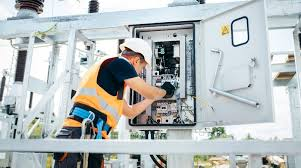
Table of Contents
- Importance of Regular Inspections
- Implementing Preventive Maintenance Programs
- Adhering to Safety Standards
- Utilizing Predictive Maintenance Technologies
- Training and Certifying Personnel
- Documenting Maintenance Activities
- Upgrading and Modernizing Equipment
- Conclusion
Proper maintenance of electrical equipment is essential to achieving operational excellence, minimizing safety incidents, and controlling costs in industrial, commercial, and even institutional environments. Modern facilities depend on electrical systems for virtually every process, and neglecting maintenance can lead to severe disruptions, hazards, or financial losses. For facilities seeking expert help and specialized maintenance solutions, click here to discover professional electrical equipment testing and refurbishment services.
Comprehensive electrical maintenance not only prevents unexpected equipment failures but also boosts system efficiency, extends component lifespan, and reduces long-term operational costs. Implementing an effective maintenance strategy requires attention to inspections, advanced technology, regulatory standards, and thorough documentation at every stage.
Whether you manage a complex industrial site or oversee a commercial building, integrating best practices in electrical equipment maintenance will safeguard both personnel and assets. An organized approach to maintenance ensures the safety of building occupants and helps you meet regulatory requirements, which are critical for preventing accidents and legal liabilities. Routine electrical maintenance can identify minor problems before they escalate into major failures, benefiting not just productivity but also the integrity of entire systems.
Importance of Regular Inspections
Routine inspections are the foundation of effective electrical equipment maintenance. Over time, components such as circuit breakers, panels, cables, and connectors are subject to environmental stressors, mechanical wear, and chemical exposure. Inspections allow technicians to detect early warning signs of deterioration, such as frayed wiring, heat discoloration, corrosion, and unusual vibrations. By identifying these issues early, corrective measures can be implemented swiftly, preventing downtime and mitigating the potential for more serious incidents.
Implementing Preventive Maintenance Programs
Preventive maintenance is a systematic approach to servicing and repairing equipment at predetermined intervals before faults occur. This reduces the chance of sudden failures and ensures that backup systems and safety protocols function efficiently. Preventive tasks might include cleaning electrical panels, tightening terminal connections, lubricating moving parts, and replacing worn or outdated components. When executed correctly, preventive maintenance increases overall system reliability and provides consistent, safe operation within the facility.
Adhering to Safety Standards
A robust maintenance program always integrates established safety standards and regulatory guidelines. The National Fire Protection Association (NFPA) publishes essential resources, notably NFPA 70B for maintenance and NFPA 70E for electrical workplace safety. These documents detail requirements for electrical equipment maintenance and personal protective equipment, helping organizations reduce workplace injuries and fire hazards. In addition, the Occupational Safety and Health Administration (OSHA) mandates regular audits, training, and adherence to code to maintain a safe working environment.
Utilizing Predictive Maintenance Technologies
Predictive maintenance leverages modern tools and analytics to monitor equipment health in real time. Technologies such as infrared thermography, ultrasonic inspections, and vibration monitoring systems can quickly identify abnormal conditions without requiring a physical shutdown. These tools enable a condition-based maintenance approach, allowing repairs to be planned precisely when needed rather than following a fixed schedule.

Training and Certifying Personnel
Workers must be adequately trained and certified to handle the complexities of modern electrical equipment maintenance. Formal training programs ensure that technicians understand industry best practices, safe operating procedures, and regulatory requirements, an approach strongly reinforced by ongoing industry guidance, such as the IAEI Magazine discussion on advancing electrical safety through NFPA 70B and workforce training. Certification from recognized bodies such as the Electrical Training Alliance or the National Institute for Certification in Engineering Technologies (NICET) validates competencies. It ensures that work is performed to the highest standards. Skilled personnel are better equipped to recognize hazards, implement corrective actions, and support a culture of safety and reliability across every jobsite.
Documenting Maintenance Activities
Accurate documentation is a critical best practice that provides a clear historical record of inspections, repairs, and system upgrades. Detailed records facilitate root-cause analysis of recurring issues, simplify audits, and inform future maintenance planning. Documentation should include inspection results, observations, corrective measures taken, components replaced, and personnel involved. Electronic maintenance management systems (CMMS) are now commonly used to streamline this process and ensure the data is easily accessible and analyzable for continuous improvement initiatives.
Upgrading and Modernizing Equipment
Reliance on obsolete components can compromise the safety and efficiency of electrical systems. Regular assessments should be performed to identify opportunities for upgrades—such as advanced circuit protection, energy-efficient transformers, or automation-enabled switchgear. Modernizing electrical infrastructure enhances reliability, simplifies future maintenance, and ensures compliance with current codes. Additionally, incorporating IoT-based innovative systems enables remote monitoring and proactive fault detection, making maintenance both safer and more cost-effective.
Conclusion
Proactive maintenance of electrical equipment is critical for safety, continuity, and cost-efficiency. Facilities that emphasize preventive and predictive maintenance, follow safety standards, invest in workforce training, maintain thorough documentation, and modernize their infrastructure are well-positioned to avoid costly failures and regulatory pitfalls. Prioritizing these best practices protects lives and assets while optimizing the performance and lifespan of electrical systems.