
Class 0 Foam: The Smart Solution for Today’s Demanding Environments
Introduction
In workplaces where safety, noise control and durability matter more than anything else, choosing the right insulation material can make a real difference. Factories, marine vessels, heavy vehicles, machinery rooms and even commercial buildings are increasingly turning to Class 0 Foam—a specialised fire-resistant acoustic material that offers far more than standard soundproofing products.
What makes it a preferred option? How is Impregnated Class 0 Foam different from everyday acoustic foam? And why is it becoming a go-to material in construction, automotive and industrial sectors? This guide breaks it down in simple, practical and professional terms.
1. What Exactly Is Class 0 Foam?
Class 0 Foam is a highly engineered polyurethane-based material that has been treated with a unique mineral compound. This treatment ensures the foam achieves a zero or “nil” burn rate, making it suitable for environments where fire hazards are always a concern.
Unlike ordinary acoustic foam used in music studios or offices, Class 0 Foam is manufactured with safety, durability and acoustic control combined into one material. This is why industries working around heavy machinery, engines or high heat levels rely on it.
Why the “Class 0” Classification Matters
The Class 0 rating means the material meets the highest standard of fire performance under UK building regulations. This ensures:
- It will not support combustion
- It greatly slows down flame spread
- It remains stable in high-risk zones
- It is safer for confined or enclosed equipment spaces
For industries dealing with heat, vibration and noise, this rating provides peace of mind.
2. Impregnated Class 0 Foam: How It’s Designed for Demanding Conditions
Impregnated Class 0 Foam undergoes a special process that fills the open cells with fire-retardant minerals. This improves both its fire performance and its physical strength without making the foam rigid.
Key Features of Impregnated Class 0 Foam
- Chemically inert – it won’t react with chemicals or oils
- Non-dusting – won’t break into fibres or particles
- Flexible – ideal for curved, uneven or tight surfaces
- Acoustic absorbing – excellent for controlling engine and machinery noise
- Available in multiple facings – including foil, PVC, fabrics and self-adhesive backs
Its adaptability makes it suitable for both lightweight applications and heavy-duty soundproofing.
3. High-Density Class 0 Profiles for Superior Noise Control
When noise reduction is a priority, high-density Class 0 Foam is often the best option. The increased density allows it to absorb sound waves more efficiently—especially mid and high frequencies often produced by engines and mechanical operations.
Where High-Density Class 0 Foam Performs Best
- Generator housings
- Heavy machinery rooms
- Industrial vehicles
- Marine engine compartments
- HVAC and compressor units
- Acoustic linings inside vehicle cabins
Because the foam doesn’t erode with airflow, it remains intact over long periods, even in environments with constant vibration.
Optional Silver Dolphin Fabric Facing
For automotive or interior applications, an attractive and durable Silver Dolphin fabric can be added. This improves the finish while maintaining acoustic and fire-safe performance.
4. How Class 0 Foam Compares to Standard Acoustic Foam
Many people think all acoustic foam does the same job, but the difference is huge when you compare Class 0 Foam with regular sound-absorbing foam.
Standard Acoustic Foam Is Designed For:
- Echo reduction
- Improving sound clarity
- Enhancing speech or audio quality
- Reducing reverberation in rooms
This makes it ideal for studios, offices, restaurants and home cinemas—but it does not fireproof or block sound deeply.
Class 0 Foam Is Designed For:
- Fire resistance
- Industrial noise control
- Heat-exposed environments
- Machinery and equipment housing
- Heavy-duty acoustic tasks
- High-risk fire zones
In short, standard foam improves the sound inside a room, whereas Class 0 Foam protects both people and equipment in harsh environments.
5. Available Formats & Custom Options
Another strength of Impregnated Class 0 Foam is its wide range of configurations. Depending on your project, you can choose from:
- Sheet foam – easy to cut and install
- Roll format – suitable for large surface areas
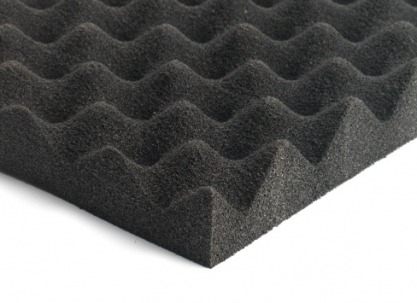
- Profiled foam – wave, egg-crate or technical profiles
- Faced foam – foil, PVC, fabrics or barriers
- Self-adhesive foam – for fast installation
- Composite builds – including lead foil, damping layers or polymeric barriers
This makes Class 0 Foam perfect for bespoke acoustic solutions where standard materials simply can’t meet the requirements.
6. Where Class 0 Foam Is Used: Versatility Across Multiple Sectors
Thanks to its fire-safe, durable and acoustic structure, Class 0 Foam is applied in many different industries.
Industrial Sector
- Compressor housings
- Generator canopies
- Factory machinery
- Mechanical rooms
Marine & Offshore
- Boat engine rooms
- High-heat areas
- Vessel interiors
Automotive & Transport
- Cab linings
- Interior trim
- Engine covers
- Heavy vehicle acoustic panels
Construction & Commercial Spaces
Although mainly used in technical environments, Class 0 Foam is also valuable for commercial buildings dealing with heat and noise together.
7. Installation Guidance for Better Results
Although easy to install, a few best practices ensure maximum performance:
Prepare the Surface
Clean the application area so adhesive backing bonds smoothly.
Choose Correct Thickness
Engine housings or mechanical rooms benefit from thicker or profiled foams.
Seal Gaps
Small gaps can let noise escape; properly fitted edges improve results.
Use the Right Facing
Foil facing is ideal for heat reflection, while fabric facing suits interior spaces.
Avoid Over-Compression
Pressing the foam too tightly can reduce its acoustic and fire-resistant properties.
8. Main Benefits of Using Class 0 Foam
Here’s a clear overview of why businesses consistently choose this material:
✔ Fire Resistant & Safe
Its nil burn rate offers one of the highest levels of fire protection available.
✔ Acoustic Performance
Reduces noise, controls vibrations and absorbs mid-high frequencies effectively.
✔ Flexible & Easy to Cut
Perfect for non-standard shapes or confined spaces.
✔ Non-toxic
Safe for workers and does not release hazardous particles.
✔ CFC/HCFC Free
Environmentally friendly and compliant with global standards.
✔ Long-Lasting
Stands up to heat, vibration and airflow without degrading quickly.
✔ Available With Adhesive Backing
Makes installation faster and cleaner.
9. Why Class 0 Foam Is a Future-Ready Material
As industries evolve, equipment becomes more powerful, spaces get smaller and safety regulations get stricter. This increases the demand for materials that handle heat, fire, noise and mechanical stress—all at the same time.
Class 0 Foam fits perfectly into this new era of smarter, safer engineering.
Its combination of acoustic control, fire resistance and customisable format makes it a long-term solution for both small-scale and large-scale projects.
10. Conclusion
Choosing the right insulation or acoustic material can have a huge impact on safety, comfort and operational performance. Impregnated Class 0 Foam provides an exceptional blend of fire resistance, sound absorption and installation flexibility—qualities that most traditional foams simply cannot offer.
Whether you’re working on a marine vessel, an industrial generator, a heavy vehicle or a high-heat environment, Class 0 Foam delivers consistent results and long-lasting reliability. It’s one of the smartest investments you can make if you need safety and acoustic performance in the same product.