Common Causes of Roof Leaks After Heavy Rain
Heavy rain has a way of exposing problems that stay hidden during dry days. A small weakness in the roof can turn into a visible leak overnight. Water follows its own path, and it rarely shows damage right where the problem starts. This article explains why leaks appear after storms. It covers the most common trouble spots homeowners overlook. Short checks after rain can prevent bigger issues. Understanding these causes helps protect ceilings, walls, and long-term home value.
When leaks show up, timely roof leak repair matters more than quick patches. Spotting the source early makes repairs simpler and less stressful. The sections below break down where rainwater enters and why storms make these issues worse.
Damaged or Missing Shingles
Shingles serve as the first shield against rain. Strong storms can loosen or remove them without notice. Once shingles lift, water slides beneath the surface. This moisture then reaches the underlayment and decking.
Older roofs face this problem more often. Sun exposure weakens materials over time. Cracks form, and edges curl. Heavy rain pushes water into these gaps. A few missing shingles can cause leaks far from the damaged spot. Regular inspections help catch early signs before storms arrive.
Worn Flashing Around Roof Openings
Flashing seals areas where the roof meets vents, chimneys, or skylights. These joints face constant stress. Temperature changes cause metal to expand and contract. Over time, seals loosen or crack.
Rainwater collects near these openings during storms. Once flashing fails, water seeps inside fast. Leaks near ceilings or walls usually trace back here. Rust or lifted edges signal trouble. Skilled roof repair focuses on resealing these joints to stop water before it spreads further inside the home.
Clogged Gutters and Poor Drainage
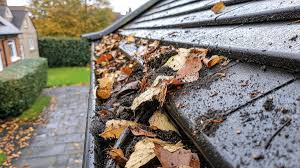
Gutters guide rain away from the roof. When clogged, water backs up and pools near the edges. Heavy rain makes this worse. Overflow pushes water under shingles or behind fascia boards.
Leaves, dirt, and debris block proper flow. Downspouts may also clog below ground level. Water then sits where it should not. This moisture slowly works its way into the roof layers. Clean gutters allow rain to drain as intended. Clear paths reduce pressure on roofing materials during storms.
Cracks in Roof Valleys
Roof valleys handle large volumes of water. Two roof slopes meet here, directing rain toward gutters. When valleys crack or wear thin, leaks form quickly.
Storms force water through weak spots. Debris buildup adds weight and traps moisture. Shingles in valleys age faster due to constant exposure. Small separations can cause major leaks inside. Water stains typically appear after rain near these areas. Valley repairs require careful sealing to restore smooth water flow.
Aging Roof Materials and Weak Underlayment
Every roof has a lifespan. Materials lose strength with time. Underlayment beneath shingles acts as a backup barrier. Once it weakens, rain passes through easily.
Heavy storms test this layer. Minor damage that stayed hidden now shows signs. Leaks appear even when shingles look fine. Moisture then reaches the insulation and ceilings. Age-related wear usually needs professional roof repair to prevent ongoing water damage. Replacing worn layers restores protection and peace of mind.
When Professional Help Becomes Necessary
Some roof leaks stay hidden until heavy rain makes them obvious. Water may travel through layers before it shows inside the home. At that point, guessing the source can waste time. A trained eye spots issues faster and with less disruption. Professional roof inspections help confirm damage that basic checks miss. Trusted experts know where rainwater moves and why leaks appear after storms. Timely roof leak repair from a qualified professional prevents repeated damage and protects the roof structure before problems grow larger.
Heavy rain rarely creates roof problems on its own. It exposes issues already in place. Missing shingles, worn flashing, clogged gutters, weak valleys, and aging layers all play a role. Each cause allows water to move where it should not. Early checks after storms help limit damage. Quick action keeps repairs manageable. A dry home starts with understanding how rain finds its way inside and stopping it at the source.