How Ceiling Materials and Designs Reshape Modern Interior Style
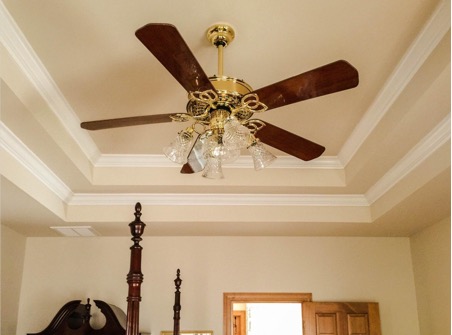
Ceilings are no longer just blank surfaces overhead – they shape the mood of a room the moment you step inside. Modern options like reflective metal panels, soft acoustic baffles, and sculpted plaster change how a space looks, feels, and performs. These choices turn a ceiling from a simple cover into a powerful design feature.
Picture a living room that feels taller, a restaurant that sounds warm and inviting, or a workspace lit with intention – all made possible by smart ceiling design. With the right ceiling materials and ideas, any room can shift from plain to memorable. Keep reading to see how each ceiling choice can help you create a space that stands out.
Why the Ceiling Deserves a Second Look
Most designers now treat the ceiling as a true fifth wall, giving it the same focus as any vertical surface. It shapes sightlines, frames the lighting plan, and adds texture that changes how a room feels. When chosen with intent, a ceiling guides attention and strengthens a room’s balance without adding visual weight.
Ceilings also work behind the scenes to solve real functional needs. Acoustic panels control echo in busy restaurants and open offices, making speech clearer and the space more pleasant. Integrated lighting reduces harsh shadows and draws out important details, while insulated systems help stabilize temperature for better comfort and efficiency.
Materials That Shape Mood and Performance
Metal ceilings offer durability, a modern look, and the ability to reflect light in ways that make rooms feel taller and brighter. They pair well with linear LEDs and support strict needs like hygiene, fire resistance, and long-term performance. High-quality printed metal ceiling tiles also deliver crisp patterns and elevated style without losing strength.
Wood ceilings bring warmth and natural texture that soften a space instantly. Slatted systems, tongue-and-groove boards, and engineered veneers create smooth rhythm and visual flow across a room. Light wood tones open a space, while deep stains create a more intimate feel.
Acoustic fabrics and baffles shape both sound and style with soft, sculpted forms. Options like stretched fabric ceilings, suspended baffles, and felt panels reduce echo and improve speech clarity in busy spaces. Plaster and gypsum systems add another layer of design with seamless curves, clean coffers, and specialty finishes that deepen the room’s character.
Ceiling Design Moves That Change a Room
A ceiling can transform a space’s ambiance even before you notice its walls or furniture. Small design choices in scale, lighting, and texture can reshape height, flow, and comfort. When these choices work together, the ceiling becomes a quiet but powerful tool for transforming any room.
Shift Perception with Scale
Vertical details or reflective surfaces can make low ceilings feel taller and more open. Deep beams or bold coffers add weight and presence to high rooms, giving them a sense of grandeur. Keep beam spacing, coffer sizes, and panel widths in proportion to the room for a balanced look.
Hide Systems Through Smart Integration
Concealed LEDs, slot lighting, and recessed fixtures turn the ceiling into a clean, controlled light source. Planning mechanical and electrical routes early ensures vents, fixtures, and access panels stay aligned and discreet. This coordination eliminates clutter and minimizes last-minute design modifications.
Layer Materials for Texture and Depth
Mixing wood slats with acoustic panels or pairing metal strips with painted recesses creates a richer surface. A layered ceiling feels intentional and adds detail that guests notice up close. This approach works well in stores, hotels, and restaurants that rely on visual impact.
Use Pattern and Repetition to Guide the Eye
Patterns like grids, linear runs, or radial layouts help organize the ceiling visually. Consistent spacing and repeated shapes build rhythm and flow across the room. This rhythm can subtly lead people toward key features such as a bar, stage, or fireplace.
Key Steps for Choosing the Right Ceiling Design
Start by picking ceiling materials that match the room’s needs, like sound control, hygiene, insulation, or fire safety. Let function guide your choices, since metal handles moisture and heavy use better than raw wood. Choose systems with removable panels and durable finishes to make maintenance easy over time.
Clean transitions and good coordination help the ceiling look intentional and well-finished. Use shadow gaps, trim, or recessed reveals to create smooth edges where the ceiling meets the walls. Match the ceiling’s color and finish with nearby surfaces, and remember that glossy materials may highlight flaws and need more precise work.
New Ways Ceilings Shape Modern Spaces
Biophilic ceilings bring nature indoors with planters, moss panels, and wood patterns that feel calming and organic. These additions replace plain surfaces with natural elements that make a room feel more comfortable. Even minor overhead elements can significantly alter the mood of a space.
Digital and printed ceilings add bold graphics, textures, or metallic effects without complex construction. Designers use them to create unique themes or highlight a brand’s identity. Smart ceilings take this further by adding sensors, tunable lights, and efficient air systems that boost comfort and support better indoor air quality.
Keeping Ceilings Performing Their Best
Routine care helps ceilings stay clean and effective. Dust fixtures each year, check for loose parts, and use the right cleaners to protect the finish. Replace any damaged panels right away so sound and insulation performance stay strong.
Simple updates can also make a ceiling feel new without major work. Repainting recesses, changing acoustic tiles, or improving lighting can refresh the whole space. Full replacement should be saved for severe damage, water issues, or major changes to how the room is used.
Ceiling Materials Upgrade That Changes Everything
Ceilings do more than cover a room – they shape comfort, style, and how the space feels every day. With the right materials and details, you can boost acoustics, improve lighting, and create a clear design mood. Whether you choose warm wood, clean metal, or layered acoustic panels, a well-made ceiling brings both beauty and function.
Now is a great time to rethink your ceiling and choose upgrades that fit your space. Start with simple ideas that add value and help the room feel fresh and modern. Read our blog to see examples, product leads, and easy steps that guide you through your next ceiling update.