
How Construction Waste Sorting Reduces Disposal Costs
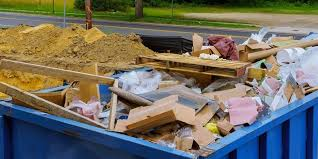
Construction projects create a lot of waste. From broken drywall and wood scraps to concrete and metal pieces, managing this debris can be a big challenge. But did you know that sorting construction waste properly can help reduce disposal costs?
By separating materials and recycling whenever possible, contractors can save money and help the environment at the same time. In this blog post, we’ll explain how construction waste sorting works, why it’s important, and how it can lower your project’s disposal expenses.
What Is Construction Waste Sorting?
Construction waste sorting means separating different types of debris into categories like wood, metal, concrete, drywall, and general trash. Instead of throwing everything into one dumpster, materials are sorted either on-site or at a recycling facility.
Sorting can be done by workers during the project or by using special containers designated for specific materials. This process helps recover valuable materials that can be recycled or reused.
Why Sort Construction Waste?
Sorting construction waste offers several benefits:
- Lower Disposal Fees: Many landfills charge higher fees for mixed waste because it’s harder to process. When materials are sorted, recyclable items can be sent to recycling centers at lower costs or even for free.
- Environmental Impact: Recycling reduces the amount of waste sent to landfills, conserves natural resources, and lowers greenhouse gas emissions.
- Compliance: Some cities and states require construction waste sorting to meet environmental regulations.
- Better Job Site Organization: Sorting waste keeps the site cleaner and safer, which can improve productivity.
How Sorting Reduces Disposal Costs
Disposal costs are often based on the weight and type of waste. Mixed waste usually costs more because it requires extra sorting and handling at disposal facilities. When you sort waste before disposal, you can:
- Recycle Materials: Metals, concrete, wood, and cardboard can often be recycled. Recycling centers may charge less or pay for certain materials, reducing overall expenses.
- Avoid Contamination Fees: Dumpsters filled with mixed or contaminated waste can incur additional charges. Sorting helps avoid these fees by keeping materials clean and separated.
- Use Smaller Dumpsters: When waste is sorted, you can use dumpsters more efficiently. For example, a construction dumpster rental for concrete only won’t fill up as fast as one mixed with lighter materials, reducing the number of pickups needed.
Tips for Effective Construction Waste Sorting
- Plan Ahead: Before starting your project, create a waste management plan that includes sorting goals and procedures.
- Train Your Team: Make sure workers understand how to separate materials and why it’s important.
- Use Multiple Dumpsters: Rent separate dumpsters for different materials like wood, metal, and general trash.
- Label Dumpsters Clearly: Help workers dispose of waste correctly by marking dumpsters with signs.
- Work with Experienced Providers: Choose dumpster rental companies like Temporary Dumpster that support waste sorting and recycling.
How Temporary Dumpster Supports Waste Sorting
Temporary Dumpster offers a variety of dumpster sizes and types to help contractors sort construction waste efficiently. Their team can help you select the right dumpsters for your project’s needs and provide flexible rental options.
By partnering with Temporary Dumpster, you get reliable service and expert advice to make your waste management easier and more cost-effective.
The Bigger Picture: Saving Money and Protecting the Environment
Sorting construction waste isn’t just about cutting costs. It’s also about being responsible stewards of the environment. Recycling materials reduces the demand for new resources, lowers pollution, and helps combat climate change.
Contractors who adopt waste sorting practices demonstrate their commitment to sustainability, which can improve their reputation and attract more clients.
Construction waste sorting is a smart strategy that reduces disposal costs while supporting environmental goals. By separating materials and recycling whenever possible, contractors can save money on landfill fees, avoid extra charges, and keep their job sites cleaner and safer.
If you’re managing a construction project, consider how a well-planned waste sorting program can benefit your bottom line. Renting the right construction dumpster rental and working with a trusted company like Temporary Dumpster makes the process easier and more efficient.
By taking the time to sort construction waste, you’re not only saving money—you’re also helping build a greener future.