How Phoenix, Arizona, Homeowners Can Choose Windows That Handle Desert Heat
Post Preview
Key Takeaways
- Phoenix windows must contend with intense sun, high outdoor temperatures, dust, and extensive air-conditioning use.
- Solar Heat Gain Coefficient, or SHGC, is especially important when comparing windows for sunny exposures.
- Low-E glass, frame design, air leakage, exterior shade, and installation all influence comfort.
- West-facing windows often need a different approach than shaded windows on the north side of a home.
- The best choice is usually a complete window system matched to each room, rather than a decision based on pane count or appearance alone.
Why Phoenix Windows Need a Climate-Specific Plan
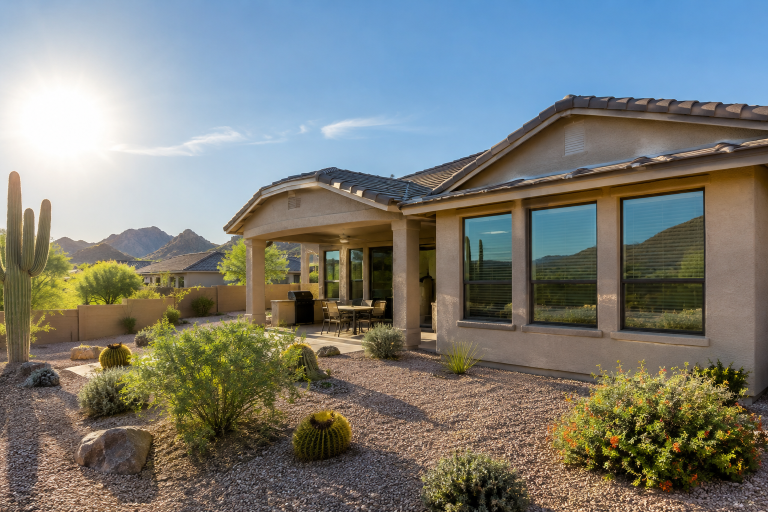
Choosing windows in Phoenix, Arizona, is less about following a national trend and more about responding to the realities of desert living. Long sunny days, hot afternoon exposure, dry conditions, windblown dust, and cooling demand can make weak points around glass and frames more noticeable. Homeowners considering window replacement Phoenix projects should begin by looking at how each opening affects comfort in the room behind it.
A window that works well in a cold region may not perform as well in the Valley. Instead of comparing only frame color, operating style, or the number of panes, review the full system: glass coating, solar control, frame construction, seals, air leakage, shade, and the installation plan.
Start With the Window’s Direction
Not every window experiences the same amount of sun. A large family-room window facing west can receive difficult late-day sunlight, while a north-facing bedroom window may receive substantially less direct exposure. Treating every opening alike can leave some rooms hotter, brighter, or more prone to glare than others.
- West-facing windows: Often deserve strong solar control because afternoon sun can be intense.
- South-facing windows: Can benefit from low solar gain glass and fixed exterior shading, such as a properly designed overhang or covered patio.
- East-facing windows: May need help managing bright morning sun in kitchens, bedrooms, and home offices.
- North-facing windows: Usually receive less direct sunlight, so air sealing, insulation, privacy, and daylight may become bigger considerations.
Learn the Two Ratings That Matter Most
Two numbers on a window label deserve close attention. U-factor measures how readily heat moves through a window, and a lower number indicates more resistance to heat transfer. Solar Heat Gain Coefficient, or SHGC, indicates how much solar heat passes through the product. A lower SHGC blocks more solar heat, which is often valuable in a hot, sunny setting like Phoenix.
When comparing estimates, ask for ratings for the exact window configuration being proposed, not a general claim that a product is energy-efficient. The window performance guidance from ENERGY STAR explains how U-factor and SHGC help homeowners match a product to local climate conditions.
Choose Glass for Heat Control, Not Just Appearance
Glass packages can shape how a Phoenix room feels throughout the day. Insulated double-pane units, Low-E coatings, gas fills, and edge spacers may all affect thermal performance. Low-E coatings are not identical, so it is worth comparing the actual SHGC, U-factor, and visible transmittance instead of assuming every coated window performs the same way.
- Request the complete rating label for each proposed window.
- Compare lower-SHGC options for large east-, south-, and west-facing openings.
- Review visible transmittance when daylight is important.
- Consider glare control and the risk of sun exposure on flooring, artwork, and furnishings.
- Do not assume triple-pane glass is automatically the best answer for every Phoenix opening.
For example, a broad west-facing living room window may require more solar control than a small bathroom window under a covered entry. The goal is to balance heat reduction, daylight, view, and room use.
Compare Frame Materials With a Long-Term View
Frame material matters, but no single material is right for every home. Vinyl can offer low maintenance and insulating properties. Fiberglass can provide strength and dimensional stability. Wood offers a traditional appearance but requires ongoing care. Aluminum can fit contemporary designs, though its heat transfer characteristics depend on the frame’s thermal design. Composite frames vary by manufacturer and construction.
Rather than selecting a frame in isolation, evaluate the frame, glass, weatherstripping, hardware, and installation as one working system. A well-designed glass package cannot fully compensate for poor seals or an improperly prepared opening.
Use Shade Before Heat Reaches the Glass
Exterior shade can reduce solar exposure before sunlight reaches the glass. Covered patios, awnings, shade screens, exterior blinds, landscaping, and roof overhangs can all play a role, depending on the home’s architecture and window direction. Interior blinds remain useful for privacy and glare control, but exterior solutions can be more effective at blocking solar heat before it enters the home.
Do Not Overlook Air Leakage and Installation
Even a high-performing window can disappoint if gaps around the unit allow outdoor air to move into the conditioned space. Proper flashing and air sealing also help manage water and air at the wall opening. The Department of Energy notes that low SHGC, low air leakage, and sound installation practices are important considerations in hot climates.
- Inspect the existing frame, wall condition, and surrounding trim.
- Confirm that each opening will be measured before ordering.
- Ask how flashing, drainage, and sealing will be handled.
- Review which materials will be used around the opening.
- Test operation, locks, and screens after installation.
- Check for sticking, loose hardware, drafts, or visible gaps.
Repair, Retrofit, or Replace?
Not every uncomfortable room requires a full replacement project. Repair may make sense for worn weatherstripping, damaged hardware, or minor operational problems. Retrofit options can be worth discussing when existing frames remain sound, but shade or glass performance needs improvement. Replacement may be more appropriate when windows are warped, hard to operate, persistently drafty, fogged between panes, or poorly suited to the home’s sun exposure.
Build a Simple Window Comparison Checklist
- Direction and amount of direct sun
- SHGC and U-factor for the exact unit
- Air leakage information, if available
- Visible transmittance and glare needs
- Glass coating and insulated-glass design
- Frame material and expected maintenance
- Exterior shading opportunities
- Warranty coverage for product and installation
- Flashing, sealing, and cleanup scope
Common Questions About Phoenix Windows
What SHGC should Phoenix homeowners look for?
Lower SHGC values generally help limit unwanted solar heat in hot, sunny conditions, particularly on large east-, south-, and west-facing windows. Compare SHGC with the other rating details and the room’s specific needs.
Are double-pane windows enough for Phoenix?
Double-pane windows can perform well when paired with appropriate Low-E glass, durable seals, a suitable frame, and careful installation. Pane count alone does not determine whether a window is a good fit.
Do window treatments help reduce heat?
Yes. Shades, screens, awnings, overhangs, and landscaping can reduce glare and solar exposure. Exterior shading often provides the strongest heat-control benefit because it blocks sunlight before it passes through the glass.
Should every window have the same glass?
Not necessarily. Window direction, size, nearby shade, room use, view priorities, and furniture exposure can justify different glass selections across the same home.
Conclusion
You may also like: How one contractor found $34,000 in his own books
Phoenix homeowners can make better window decisions by starting with the desert climate and the way sunlight reaches each side of the home. Compare SHGC and U-factor ratings, consider glass and frame performance together, use exterior shade where practical, and give installation details the same attention as the product itself. That approach can help each window deliver a more comfortable, functional space through Phoenix heat.