
How to Address Severe Bleeding Emergencies Effectively
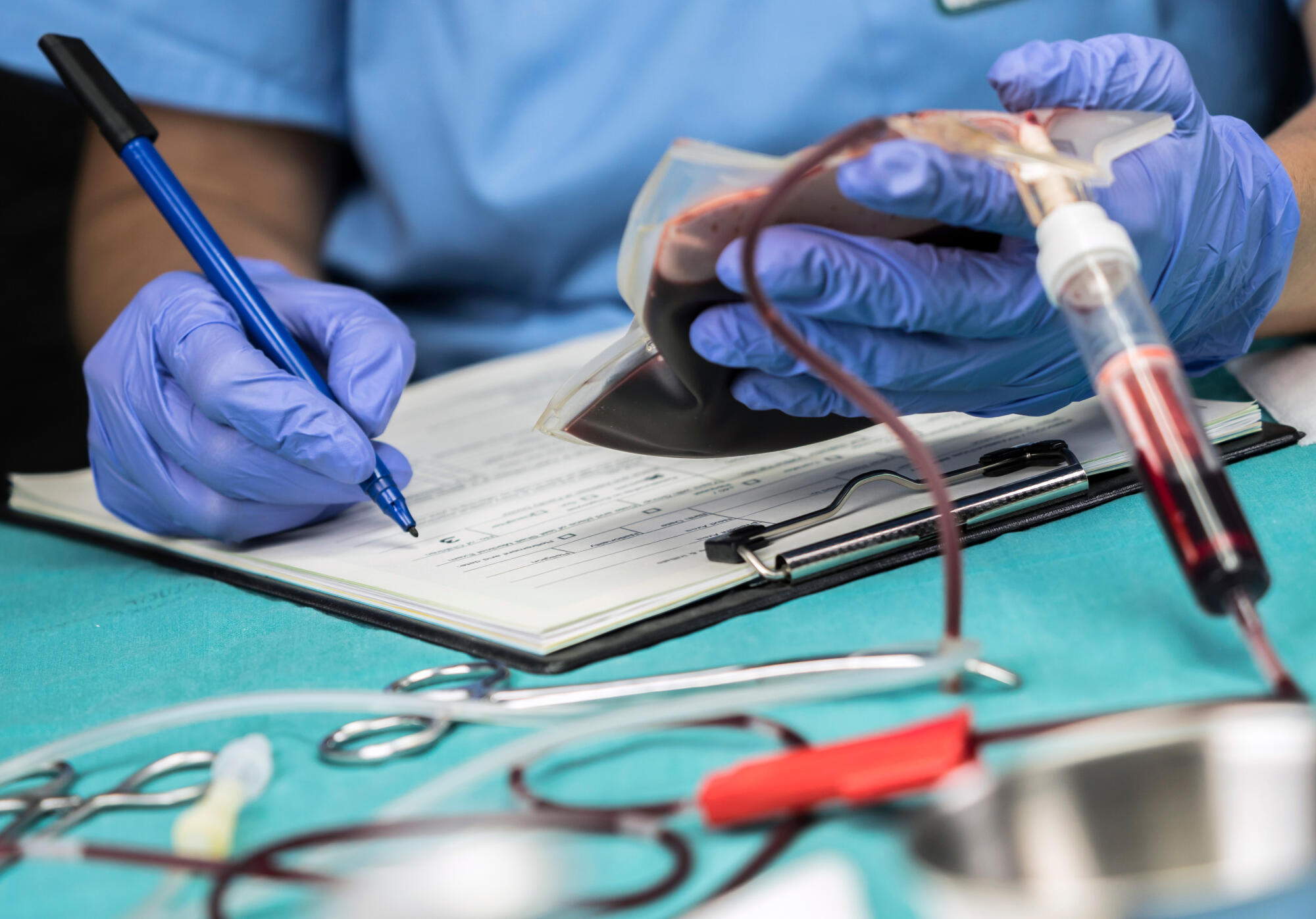
In dangerous situations, every second counts. Knowing how to react during a severe bleeding emergency can mean the difference between life and death. Severe bleeding is one of the leading causes of preventable death in trauma cases, and understanding the proper response is essential.
Even without professional training, you can provide effective help if you know the right steps and act quickly.
Continue reading to get the complete picture.
Recognizing Severe Bleeding
The first step in responding to an emergency is recognizing the severity of the bleeding. Severe bleeding can be either external or internal, and quick identification is crucial. Signs include profuse blood loss from a wound, bright red spurting blood, which often indicates an arterial injury, or dark red blood flowing steadily from a vein.
Additionally, pale or bluish skin can indicate that the victim is going into shock. Noticing these signs early allows you to act promptly and potentially save a life.
Immediate Response Steps
Once you identify severe bleeding, the initial response can stabilize the person until help arrives. Safety comes first. Ensure the scene is safe for both you and the victim.
Call emergency services immediately if the situation is serious. Applying firm, direct pressure to the wound using a clean cloth or your hand helps slow the blood flow. If possible, elevate the injured area above the heart to further reduce bleeding.
In cases where bleeding continues from an extremity, a tourniquet may be necessary. Place it above the wound and tighten until the bleeding stops. These steps are critical to preventing further blood loss before professional care reaches the scene.
Advanced Wound Care
After the bleeding has slowed, continued care is necessary. Monitor the victim’s condition closely. If a first-aid kit is available, gently clean the area around the wound and apply an antiseptic if possible.
Cover the injury with a sterile dressing to protect it from infection. Watch for signs of shock, including faintness, confusion, or a decline in consciousness, which indicate that the victim’s condition may be worsening and requires urgent attention. Remaining vigilant during this phase is just as important as the initial response.
Staying Prepared for Emergencies
Preparation significantly improves your ability to respond effectively. Taking a first aid and CPR course equips you with essential skills. Keeping a well-stocked first-aid kit at home, in your car, or at work ensures you have the tools to act quickly.
For specialized training, https://cprcertificationnow.com/products/first-aid-for-severe-bleeding-certification guide handling critical situations. It is also helpful to know emergency contact numbers and the nearest hospital locations. Being ready and informed is your best defense against unpredictable situations and allows you to respond confidently under pressure.
Providing Comfort and Reassurance
Managing a severe bleeding emergency is not only about stopping blood loss. Your presence and demeanor matter as well. Speak calmly to the victim and let them know that help is coming.
Keeping them conscious and engaged can prevent panic and reduce the risk of shock. Your calm and confident actions can greatly influence the victim’s emotional state while providing life-saving care.
The Importance of First Aid Knowledge
Severe bleeding emergencies can happen to anyone at any time. Knowing how to respond is a vital skill that can save lives. By being proactive, learning proper first aid techniques, and preparing for emergencies, you can act decisively when seconds matter most.