
How to Unlock Engine Longevity and Boost Performance Every Mile
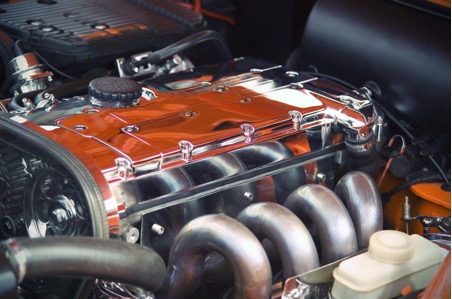
Your vehicle’s engine is the heart of your car. It controls how smoothly your car runs every day. A healthy engine gives better mileage and stronger power. It also lowers repair costs over time. Many engine problems come from neglect, not age.
Small maintenance steps can greatly improve engine life. You do not need expert skills to care for your engine. You only need consistency and awareness. When you treat your engine well, it rewards you with better performance mile after mile.
Follow a Consistent Oil Change Schedule
Engine oil has one main job. It lubricates moving parts inside the engine. This reduces friction and prevents metal parts from grinding together. Over time, oil becomes dirty and thick. Dirt, dust, and metal particles build up in old oil. When this happens, the oil cannot protect the engine properly.
Skipping oil changes increases heat and wear. This shortens engine life and reduces performance. Always follow the oil change schedule in your owner’s manual. Some engines need more frequent changes due to driving conditions.
Short trips and stop-and-go traffic wear oil faster. Checking oil levels between changes is also important. Low oil can cause severe engine damage. Clean oil keeps your engine smooth, quiet, and efficient during every drive.
Use High-Quality Fuel Every Time You Fill Up
Fuel plays a major role in engine performance. Poor-quality fuel can contain impurities. These impurities lead to carbon buildup inside the engine. Carbon buildup reduces power and efficiency over time. It can also affect fuel injectors and valves.
Always buy fuel from reliable gas stations. Avoid stations with poor maintenance or low traffic. Use the fuel grade recommended by the manufacturer. Higher octane fuel is not always better.
Using the wrong type may waste money and lower performance. Clean fuel burns more evenly and completely. This helps the engine stay cleaner and perform consistently.
Keep Your Cooling System in Good Shape
Engines produce extreme heat when running. The cooling system controls that heat. If it fails, the engine can overheat very quickly. Overheating can damage gaskets, pistons, and cylinder heads. In severe cases, it can destroy the engine completely.
Check coolant levels regularly. Make sure the coolant is clean and at the correct level. Old coolant loses its ability to control heat. Flush the cooling system at recommended intervals.
Inspect hoses, the radiator, and the water pump for leaks or wear. Replacing small parts early prevents major failures. A stable engine temperature improves performance and protects internal components.
Replace Air Filters Before They Get Too Dirty
Your engine needs clean air to operate properly. Air filters stop dust, dirt, and debris from entering the engine. When the filter gets clogged, airflow becomes restricted. This makes the engine work harder to pull in air.
A dirty air filter reduces fuel efficiency and engine power. It can also cause slow acceleration and rough idling. Checking the air filter is simple and quick. Replace it when it appears dark or blocked. Clean airflow improves combustion and engine balance. This small maintenance step protects sensitive engine parts and improves overall performance.
Drive Smoothly and Avoid Aggressive Habits
Driving habits affect engine wear more than most people realize. Rapid acceleration puts stress on pistons and valves. High engine speeds increase heat and friction. Sudden braking and aggressive driving shorten engine life.
Smooth driving helps protect internal components. Accelerate gently and maintain steady speeds. Avoid pushing the engine when it is cold. Let it warm up before demanding high power. Gentle driving also improves fuel efficiency and reduces emissions. Over time, smoother habits reduce stress and keep the engine running longer.
Pay Attention to Warning Lights and Sounds
Modern vehicles use warning lights to alert drivers of problems. These lights should never be ignored. Even a small warning can point to a serious issue. Strange sounds are also important clues.
Knocking, ticking, or grinding noises often signal engine trouble. Vibrations or loss of power may also indicate problems. Delaying repairs allows issues to grow worse. Early attention prevents expensive damage. Address warning signs as soon as they appear. This protects engine performance and prevents unexpected breakdowns.
Maintain Spark Plugs and Ignition Components
Spark plugs ignite the fuel and air mixture in the engine. When spark plugs wear out, ignition becomes weak. This causes misfires and rough idling. It also lowers fuel efficiency and engine power.
Replace spark plugs at the recommended mileage. Inspect ignition coils and wires during routine maintenance. Faulty ignition parts reduce engine smoothness and response. Proper ignition improves acceleration and fuel burn. A strong spark helps the engine run cleaner and more efficiently over time.
Keep Up With Regular Engine Inspections
Regular engine inspections help identify problems early. Small issues often go unnoticed until they become serious. Leaks, worn belts, and loose connections can cause engine damage if ignored.
Schedule inspections during oil changes or service visits. A trained technician can detect early signs of failure. Preventive inspections reduce the risk of sudden breakdowns. They also help maintain consistent engine performance. Regular checks support long-term reliability and peace of mind.
Choose Quality Engine Parts When Replacing Components
Not all engine parts are made the same. Cheap parts may fail sooner and fit poorly. This can reduce performance and increase wear on surrounding components. Using low-quality parts often leads to repeat repairs.
Choose trusted brands for replacements. Quality parts last longer and work better with your engine. Some drivers upgrade to a crate motor during major rebuilds to ensure balanced power and durability. Investing in good components protects your engine and improves long-term performance.
Build Better Engine Health One Mile at a Time
Engine longevity comes from smart daily choices. Regular maintenance keeps parts clean and protected. Good fuel and smooth driving improve performance. Cooling, airflow, and ignition systems must work together.
Paying attention to small warning signs prevents major failures. These simple habits extend engine life and improve every drive. Treat your engine with care, and it will deliver reliable performance for many miles ahead.
Looking for more tips and ideas? We’ve got you covered. Check out some of our other posts now.