Modern Approaches to Varicose Vein Treatment
The issue of varicose veins is an age-old ailment that affects numerous individuals around the globe. These unsightly, sometimes painful, bulging veins can have various underlying causes, often leading to discomfort and a desire for treatment. In the past, sufferers would have had to resort to invasive surgery, facing long recovery periods and significant discomfort. Today, however, the landscape of varicose vein treatmen has evolved significantly. This article aims to explore the contemporary, minimally invasive methods available for patients looking to rid themselves of varicose veins and improve their vein health.
The Evolution of Vein Treatment
In the not-so-distant past, the main approach to treating varicose veins was through a surgical procedure known as vein stripping. This would involve the removal of the affected vein, necessitating a hospital stay and an extensive recovery. However, the progression of medical science and technology has paved the way for less invasive procedures that offer quicker recovery times and require no general anaesthesia.
Advantages of Modern Treatments
Modern varicose vein treatment methods boast various benefits over traditional surgery. These advantages include diminished pain, reduced risk of complications, no need for hospital admission, and the ability to return to normal activities relatively quickly. Moreover, many of the contemporary treatments result in little to no scarring, a factor that is greatly appreciated by patients who are conscious about the aesthetic outcome.
Current Non-Surgical Treatment Options
The current spectrum of varicose vein treatments is wide-ranging, facilitating personalisation based on the patient’s needs, the severity of their vein issues, and their overall health. Below, we explore some of the prominent non-surgical approaches that are redefining varicose vein management.
Endovenous Laser Ablation (EVLA)
Endovenous Laser Ablation (EVLA) is a minimally invasive procedure using laser energy to close off problematic veins. Guided by ultrasound, a tiny laser fiber is inserted into the vein, and as it is slowly retracted, it delivers energy that causes the vein to collapse and seal. Over time, the body naturally diverts blood flow to healthier veins, and the treated vein is absorbed by the body.
Sclerotherapy
Sclerotherapy involves the injection of a sclerosing solution directly into the varicose vein, which irritates the lining of the vessel, causing it to collapse and stick together. Over time, the vein turns into scar tissue and fades from view. This treatment is particularly effective for smaller varicose veins and spider veins.
Radiofrequency Ablation (RFA)
RFA is similar in approach to EVLA but uses radiofrequency energy instead of laser energy. A catheter is placed into the vein through a small incision, and as it delivers the radiofrequency waves, the vein walls heat up, contract, and ultimately seal shut. This treatment is often used for larger varicose veins.
Recovery and Expectations
Patient experience during recovery is considerably improved with modern varicose vein treatments. The discomfort is generally mild and manageable with over-the-counter pain relief. Compression stockings are commonly recommended post-treatment to support the healing process and reduce swelling. Most patients can resume their routine activities within a day, although it is advised to avoid strenuous exercise for a brief period.
Choosing the Right Treatment
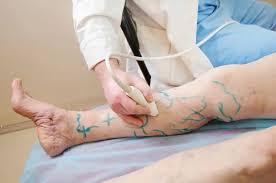
Deciding on the most suitable varicose vein treatment requires a thorough diagnostic evaluation, typically including an ultrasound to map the vein structure and function. This imaging assists vein specialists in developing a tailored treatment plan that aligns with the patient’s unique vein health challenges.
The Role of Vein Specialists
Selecting a skilled and experienced vein specialist is a critical step in the treatment process. These professionals have in-depth knowledge of vein anatomy and the latest treatment methodologies. Furthermore, they can provide guidance on lifestyle changes and preventative measures that can assist in managing vein health and potentially prevent new varicose veins from developing.
Insurance and Treatment Costs
While modern varicose vein treatments are less invasive, they are still recognised as medical procedures, and the costs can be a concern for patients. It is advisable to check with one’s insurance provider to understand what coverage is available for vein treatments, as this can vary based on the policy and the necessity of the procedure.
The Importance of Ongoing Care
Post-treatment care is an integral element of the overall success of varicose vein management. Following vein specialists’ advice, maintaining a healthy lifestyle, and periodically monitoring vein health are essential steps for long-term success. Regular check-ups can help identify any recurrent or new vein problems early on, allowing for prompt intervention.
Conclusion
Varicose vein treatment has transformed from a daunting surgical ordeal to a series of advanced, patient-friendly procedures. These modern approaches incorporate cutting-edge technology, facilitating faster recovery, improved outcomes, and increased patient satisfaction. As treatments continue to evolve, those affected by varicose veins can look forward to even more efficient and effective solutions to manage their vein health, ultimately leading to an enhanced quality of life.
It is essential for individuals facing vein-related issues to seek advice from reputable specialists and consider the benefits of modern treatments. A proactive stance towards vein health can make a significant difference in managing and overcoming the challenges posed by varicose veins.