Simple Ways to Improve Indoor Air Quality
The air inside a home affects comfort, focus, and long-term health more than many people realize. Dust, moisture, and everyday pollutants can build up without clear warning signs. Poor air quality may lead to fatigue, headaches, or irritation that feels hard to explain. Simple changes can make indoor air cleaner and easier to breathe. This article explains practical steps that support healthier air without complex routines or major disruption.
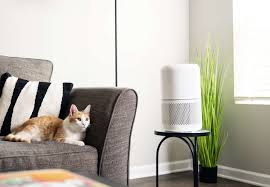
Many homeowners begin by exploring indoor air quality solutions when they notice stale air or lingering odors. This approach helps identify practical ways to refresh indoor spaces. Small improvements can create noticeable comfort changes across daily life. Clean air supports better rest and smoother routines.
Improve Airflow Throughout the Home
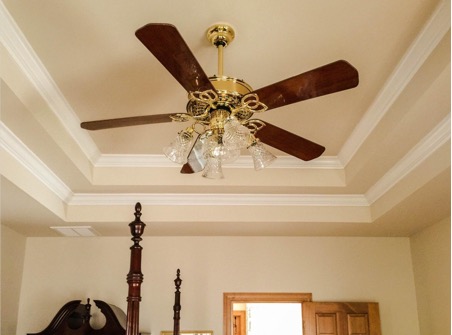
Good airflow plays a major role in indoor air quality. Fresh air movement reduces trapped pollutants and stale odors. Open windows during mild weather to allow air exchange. Ceiling fans help move air through rooms and prevent stagnation. Keep vents clear of furniture or curtains. Steady airflow supports cleaner breathing and helps maintain balanced indoor conditions across all living spaces. Homes with steady airflow also feel more comfortable during seasonal changes.
Control Dust and Surface Pollutants
Dust carries allergens that affect indoor air. Regular surface cleaning helps reduce airborne particles. Use a damp cloth to trap dust instead of spreading it. Vacuum carpets and rugs with a filter-equipped unit. Wash bedding and curtains on a routine schedule. Clean surfaces help limit what enters the air during daily movement and activity. Consistent cleaning routines reduce long-term buildup and support fresher indoor air.
Maintain Proper Humidity Levels
Humidity affects air comfort and cleanliness. Excess moisture allows mold and bacteria to grow. Dry air can irritate skin and airways. Aim for balanced humidity within living spaces year-round. Dehumidifiers help in damp areas like basements. Proper moisture control supports healthier breathing and reduces musty smells throughout the home. Balanced humidity also protects furniture and flooring from damage.
Replace and Maintain Air Filters
Air filters protect indoor spaces from dust and debris. Clogged filters allow particles to circulate freely. Replace filters based on manufacturer guidance. Check them monthly during high-use seasons. Clean filters help HVAC systems work efficiently. This simple step improves air quality and supports system longevity with minimal effort. Regular filter care also reduces strain on heating and cooling systems.
Choose Low-Emission Household Products
Household products release chemicals into the air. Paints, cleaners, and furniture can affect indoor quality. Choose low-emission options when possible. Read labels for safer alternatives. Store strong products in sealed containers away from living areas. Careful product selection reduces chemical buildup inside the home. This choice supports safer breathing for children and pets.
Schedule Routine System Inspections
Heating and cooling systems influence air quality every day. Dust buildup inside ducts affects circulation and comfort. Routine inspections help identify issues early. Professionals assess airflow, filter condition, and system cleanliness. Many homeowners consider indoor air quality solutions during these evaluations to address specific concerns. Regular care keeps systems efficient and air cleaner year-round. Scheduled inspections also prevent sudden system issues.
Keep Indoor Plants With Care
Plants support indoor environments when chosen wisely. Some plants help reduce odors and improve comfort levels. Avoid overwatering to prevent mold growth. Place plants where airflow remains steady. Clean leaves to reduce dust buildup. Proper care ensures plants add benefit rather than new issues. Healthy plants complement other air quality efforts.
Improving indoor air quality does not require major changes or complex steps. Better airflow, dust control, balanced humidity, and clean filters make a real difference. Thoughtful product choices and regular system care support healthier spaces. Even small habits contribute to noticeable comfort improvements. With steady attention, indoor air becomes cleaner, fresher, and easier to breathe throughout daily life.