
Understanding Liability and Compensation in Truck Crash Cases
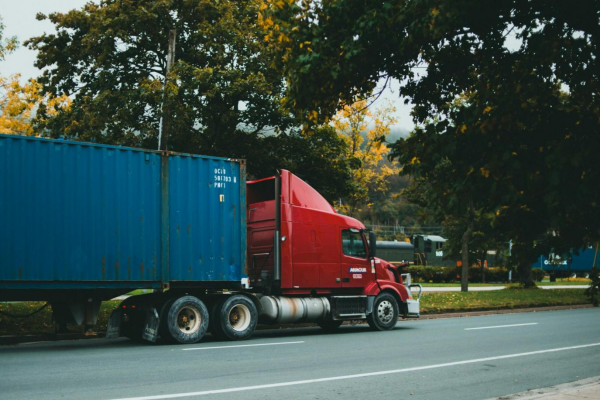
Truck crashes can cause serious injuries and big property damage. They are different from regular car accidents. Trucks are bigger and heavier, and crashes can be more severe.
Many parties can be responsible for a truck crash. Understanding liability and compensation is important. This guide explains the basics of truck accident cases in simple words.
What Liability Means
Liability means being responsible for a crash. In truck accidents, liability can be more complicated than in smaller accidents. More than one person or organization may share responsibility. The truck driver, trucking company, or even the truck maker can all be partly at fault.
Sometimes other drivers or road authorities may also play a role. Knowing who is liable helps victims understand who they can hold responsible. It also determines the kind of compensation they may receive. Clear evidence is needed to prove liability in most cases.
Common Causes of Truck Accidents
Truck accidents can happen for many reasons, and often several factors are involved. Driver fatigue is a leading cause because long hours on the road can make drivers sleepy. Mechanical problems are another cause. Trucks may have brake failures, steering issues, or worn tires. Poor road conditions, such as potholes or uneven surfaces, increase the risk of accidents.
Weather can also be a factor, like rain, fog, or ice, which makes roads slippery. Each cause can affect who is responsible. Investigators often need to look at all the details to understand what caused the crash.
Parties That May Be Responsible
Several parties can be responsible in a truck accident. The truck driver is often the first party considered. Careless driving, speeding, or distracted driving can make the driver liable. The trucking company may also be responsible if it did not properly train or supervise the driver.
Truck manufacturers can be liable if faulty brakes or parts cause a crash. Other drivers involved in the crash may share responsibility, depending on their actions. Even local governments or road maintenance companies may have some liability if poor road conditions contributed. Each party’s role must be reviewed carefully before filing a claim.
The Role of Evidence
Evidence is very important in truck crash cases. Police reports provide an official account of the crash. Photos of the accident scene, vehicles, and injuries help show what happened. Witness statements can support the victim’s story. Truck maintenance logs and driver work schedules are also valuable pieces of evidence.
Medical records showing injuries and treatment add support for compensation claims. The more evidence collected, the stronger the case. Lawyers often spend a lot of time gathering and reviewing evidence to build a solid claim.
Types of Compensation
Compensation means money paid to victims for losses caused by the crash. Medical bills are often the first part of compensation. This includes hospital stays, surgeries, medications, and therapy. Lost wages are also included when victims cannot work.
Property damage, such as repair or replacement of vehicles, is another part. Compensation may also cover pain and suffering, emotional distress, and loss of quality of life. The total amount depends on the injury severity, the costs incurred, and who is found responsible. Each case is unique, so compensation amounts can vary widely.
Insurance Companies’ Role
Insurance companies play a big role in truck accident cases. Truck drivers and companies usually have large insurance policies. These companies may try to pay less than what victims deserve. They may argue over fault, question medical bills, or delay payments. Understanding insurance rules is important to ensure fair treatment.
Lawyers often negotiate with insurance companies to get a proper settlement. Having professional help can prevent victims from accepting lower payments than they deserve. Insurance adjusters may also review evidence and witness statements carefully, which is why legal guidance is helpful.
Legal Process for Truck Crashes
Truck accident cases follow specific legal steps. Victims must report the crash to the police and file an insurance claim. Lawyers often try to negotiate a settlement with the insurance company first. If a settlement is not fair, the case may go to court. Court cases can take months or even years.
Victims may need to attend hearings, give statements, and provide evidence. Patience is essential during this process. Legal guidance helps ensure that all documents are properly filed and deadlines are met. Experienced lawyers can also advise on whether to accept a settlement or go to trial.
Understanding Trucking Regulations
Trucks follow strict rules designed to prevent accidents. These include limits on driver hours, proper truck maintenance, and required safety training. Understanding regulations that impact truck accident claims is important.
Violating these regulations can increase liability for drivers or trucking companies. Lawyers use these regulations to show negligence or responsibility. Sometimes, these rules can determine who is fully or partly at fault.
Regulatory compliance is a key factor in proving a case and calculating fair compensation. Knowing the rules can also prevent future accidents and protect other drivers on the road.
Challenges in Claiming Compensation
Truck accident claims can face many challenges. Determining fault is often difficult when multiple parties are involved. Insurance companies may dispute claims or try to pay less than what is fair. Evidence may be missing or delayed, which complicates the case.
Victims may be unsure of their rights and struggle to navigate the process. Emotional stress and physical recovery can also make it harder to manage the claim. Experienced lawyers can help overcome these challenges. They gather evidence, deal with insurance companies, and guide victims through each step.
Tips for Victims
Victims should take certain steps after a truck crash. Seek medical care immediately, even if injuries seem minor. Take photos of the accident scene, vehicles, and injuries.
Keep all documents related to the crash, including police reports, medical records, and repair bills. Avoid admitting fault at the scene or speaking too much to insurance adjusters.
Contact a truck accident lawyer as soon as possible. Quick action can improve the chances of fair compensation. Following these tips helps victims protect their rights and ensures the claim process moves smoothly.
Learn More About Truck Crash Cases
Truck crash cases are serious and can be complicated. Liability may involve drivers, companies, or manufacturers. Evidence and legal knowledge are key to getting compensation.
Understanding regulations, insurance, and proper legal steps helps victims claim what they deserve. With patience and guidance, fair compensation is possible.
Visit our blog for more!