Understanding the Emotional Needs of Veterans in Home Care
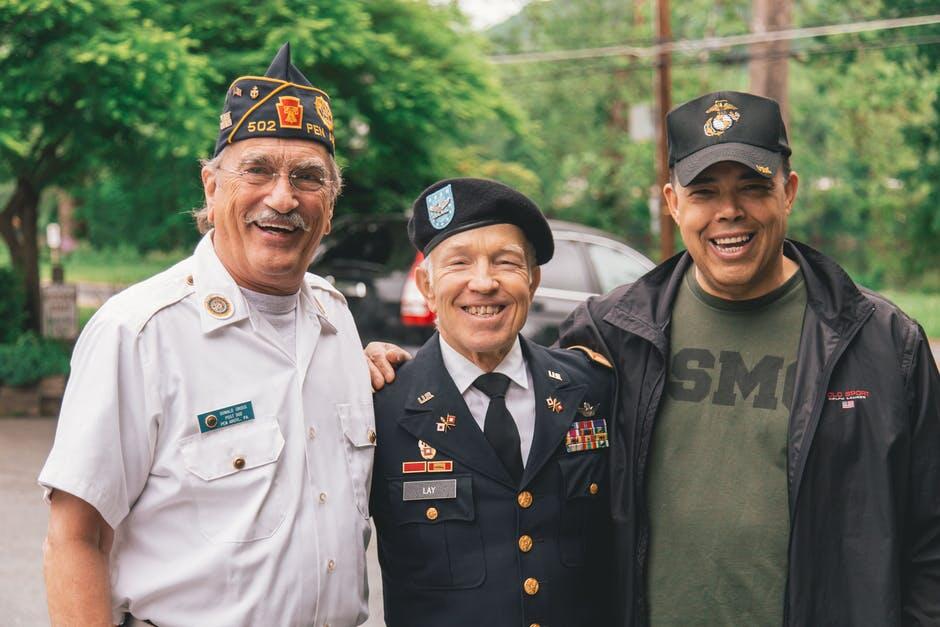
What do veterans truly need when they receive care at home? They have lived through duty, sacrifice, and life-changing events. As they grow older, many need help with daily tasks.
Physical care is important, but it is only part of the picture. Emotional support matters just as much. Families and caregivers must understand the experiences that shaped them.
This article will show how to meet those emotional needs with respect and care. Keep on reading!
Recognizing the Impact of Military Service
Military service shapes a person’s habits, values, and emotions. Many veterans keep their sense of discipline and order in life.
At the same time, difficult memories may stay with them. Some live with anxiety, sadness, or post-traumatic stress. These feelings can appear during illness or stress. Caregivers who understand this can respond with patience and kindness instead of frustration.
Building Trust With Respect
Trust grows through honest words and steady actions. Veterans respect clear and direct communication.
Caregivers should explain what they are doing and ask before helping. This protects dignity and independence. Keeping a regular schedule also helps veterans feel safe. When respect is shown daily, trust becomes strong.
Coping With Loss of Role and Independence
There used to be clear roles and strong responsibilities for a lot of veterans. When they get old or sick, they may feel like they have lost that purpose.
They might miss how strong and free they were. Caregivers can help their clients develop hobbies, do small tasks, or talk about their experiences at work. These things help bring back pride and purpose. Reminding veterans of how important they are is good for their mental health.
Encouraging Companionship and Connection
A lot of older people feel lonely. You may also miss the close friends you made while you were in the service.
Regular conversation makes a big difference. Visits from family and time with other veterans bring comfort and belonging. Veterans home care services can also help reduce isolation by providing steady support.
Supporting Mental Health Gently
Never ignore someone who is having emotional problems. Health in the mind is just as important as health in the body.
People who care for someone should notice if their mood, sleep, or behavior changes. When things are stressful, staying calm helps. If you need it, professional counseling might help. Many veterans can feel more stable and at peace if they get the right help.
Honoring Family and Tradition
In times of trouble, having family support can be very helpful. A lot of veterans put a lot of value on tradition, loyalty, and following the rules.
People trust each other more when they are involved in care decisions. To honor the history of the military, you can celebrate military holidays or put up things that were used in the service. Following clear and consistent routines can help you feel better. Veterans feel respected and understood when they are cared for in a way that is in line with their long-held beliefs.
Provide Better Home Care for Veterans by Understanding Their Emotional Needs
Veterans need more than just help with daily tasks when they are cared for at home. It asks for understanding, patience, and respect for what they’ve been through in life. Supporting someone emotionally keeps their dignity and makes getting older easier.
Caregivers make homes safe and caring places to live by fostering trust, promoting connection, and recognizing their service. Veterans get the kind of care they deserve when their families and professionals work together.
Did you like this guide? Great! Please browse our website for more!