
What Happens If You’re Hit by an Uninsured Driver in a No-Fault State?
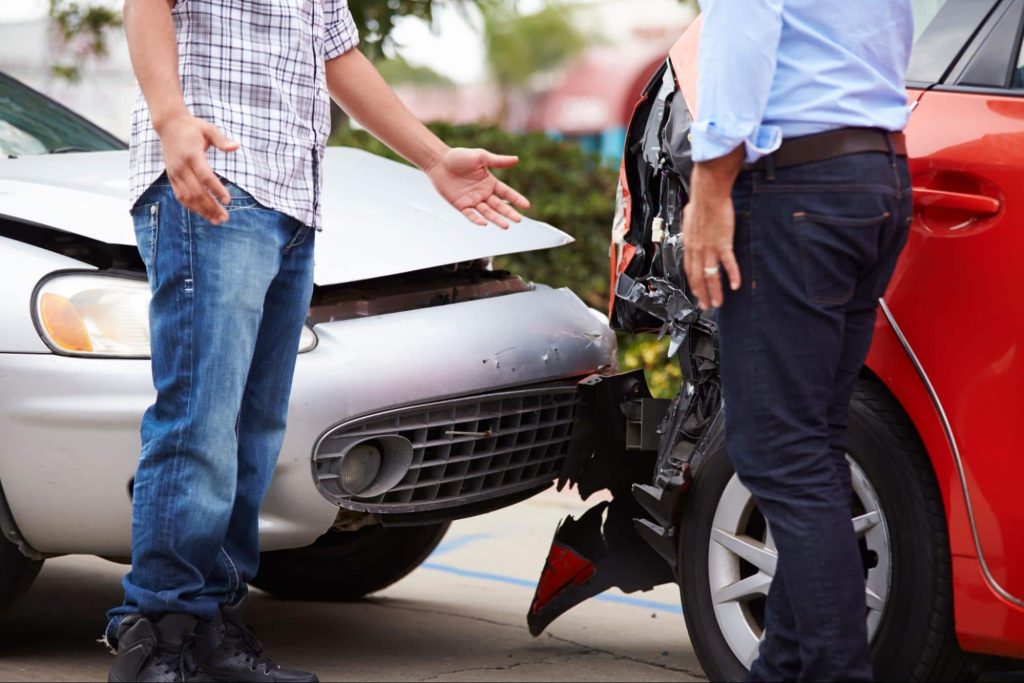
You’re stopped at a red light when another car slams into you from behind. After the initial shock wears off, you exchange information with the other driver, only to discover they have no insurance. In Michigan’s no-fault insurance system, this scenario creates unique complications that many drivers don’t understand until they face it firsthand.
No-fault insurance means your own policy pays for your medical bills and lost wages regardless of who caused the accident, but property damage and additional compensation for serious injuries follow different rules. When the at-fault driver lacks insurance, these rules create gaps in coverage that can leave you facing substantial out-of-pocket costs despite doing nothing wrong.
Understanding how Michigan’s no-fault system works when uninsured drivers cause accidents helps you protect yourself financially and know what legal options exist. Consulting a car accident lawyer in Flint can clarify your coverage options and whether you have grounds to pursue compensation beyond what your own insurance provides.
Michigan’s No-Fault System Basics
Michigan operates under a no-fault auto insurance system that fundamentally differs from traditional tort-based systems in most states. Your own insurance company pays your medical expenses and wage loss benefits regardless of who caused the accident, eliminating most litigation over minor accidents.
Personal Injury Protection, or PIP, coverage forms the core of Michigan’s system. This coverage historically provided unlimited lifetime medical benefits for accident injuries, though recent reforms created options for reduced coverage with lower premiums. Your PIP pays your medical bills, rehabilitation costs, attendant care, and replacement services regardless of fault.
The no-fault system’s trade-off is limited ability to sue at-fault drivers. You can only pursue claims against other drivers for pain and suffering if you meet Michigan’s serious impairment threshold, which requires proof that injuries significantly affected your general ability to lead your normal life.
Property damage operates differently under Michigan’s no-fault rules. You can pursue the at-fault driver directly for vehicle damage, even though the no-fault system covers your medical bills. This distinction becomes critically important when dealing with uninsured drivers.
When the Other Driver Has No Insurance
Discovering that the at-fault driver lacks insurance triggers several immediate concerns. Your medical bills receive coverage through your own PIP insurance, but property damage and potential pain and suffering claims face serious obstacles.
Michigan law requires all drivers to carry minimum liability insurance, making driving uninsured illegal. However, an estimated 20% of Michigan drivers operate without proper coverage despite this requirement. Enforcement challenges, financial hardship, and simple disregard for the law all contribute to the high uninsured driver rate.
The at-fault driver’s lack of insurance doesn’t affect your PIP benefits. Your own insurance company must pay your medical expenses and wage loss up to your policy limits, regardless of whether the person who hit you carried insurance. This protection represents the core benefit of Michigan’s no-fault system.
Property damage presents the real problem. Without insurance, the at-fault driver is personally liable for your vehicle repair costs, but collecting this money often proves impossible. Many uninsured drivers lack significant assets, making judgments against them uncollectible.
Your Insurance Coverage Options
Mini-Tort Property Damage Coverage
Michigan’s mini-tort provision allows you to recover up to $3,000 in property damage from at-fault drivers even under the no-fault system. This limited recovery helps with deductibles or damage below your collision coverage threshold.
Filing a mini-tort claim requires proving the other driver was at fault and documenting your vehicle damage. The $3,000 limit often doesn’t cover full repair costs for modern vehicles, but it provides some recovery without requiring collision coverage or paying your deductible.
The practical challenge is collecting mini-tort judgments from uninsured drivers. Winning a $3,000 judgment means nothing if the defendant has no income or assets to garnish. Many uninsured drivers simply ignore mini-tort judgments, leaving you with uncollectible paper awards.
Collision Coverage
If you carry collision coverage on your own policy, it pays for your vehicle damage minus your deductible, regardless of who caused the accident or whether they have insurance. This coverage provides the most reliable path to getting your car repaired when uninsured drivers hit you.
Your insurance company pays collision claims quickly, allowing immediate vehicle repair without waiting to locate or collect from the at-fault driver. Your insurer then pursues subrogation against the uninsured driver to recover what they paid, though success rates are low.
The downside is losing your deductible, typically $500 to $1,000, even though you did nothing wrong. Some policies include deductible waiver provisions if the at-fault driver can be identified and their insurance status confirmed, but these waivers don’t always apply to uninsured driver situations.
Uninsured Motorist Coverage
Uninsured motorist coverage, abbreviated UM, pays for injuries exceeding your PIP benefits and property damage when at-fault drivers lack insurance. This coverage essentially substitutes for the insurance the at-fault driver should have carried.
Michigan doesn’t require uninsured motorist coverage, making it optional on your policy. Many drivers decline it to save premium costs, not realizing how frequently they’ll encounter uninsured drivers. Adding UM coverage costs relatively little compared to the protection it provides.
UM coverage typically includes property damage up to your policy limits, eliminating deductibles and providing full repair cost recovery. It also covers pain and suffering damages when your injuries meet Michigan’s serious impairment threshold, compensating you for losses your PIP doesn’t address.
Underinsured motorist coverage, or UIM, works similarly but applies when at-fault drivers carry insurance below the damages. If someone with minimum $20,000 coverage causes $100,000 in injuries, your UIM pays the difference up to your policy limits.
The Serious Impairment Threshold
Even when uninsured drivers cause accidents, you cannot sue for pain and suffering unless you meet Michigan’s serious impairment standard. This threshold requires proving that our injuries objectively manifested and significantly affected your general ability to lead your normal life.
Serious impairment cases require substantial medical evidence showing not just that you were injured but that these injuries meaningfully altered your life. Inability to work, permanent limitations on activities you previously enjoyed, and ongoing pain affecting daily functioning all support serious impairment claims.
The threshold exists to prevent lawsuits over minor accidents that no-fault coverage should handle. However, it also bars many legitimate claims where people suffered painful injuries that nonetheless didn’t quite reach the serious impairment level.
If you meet the threshold, you can pursue an uninsured motorist claim under your own policy for pain and suffering damages. Your UM carrier essentially stands in for the insurance the at-fault driver should have carried, paying damages up to your policy limits.
Directly Suing the Uninsured Driver
You can always sue uninsured drivers directly for damages their lack of insurance doesn’t cover through your own policies. However, winning a judgment and collecting it are entirely different matters.
Many uninsured drivers lack assets worth pursuing. They might rent rather than own property, work cash jobs without garnishable wages, or operate largely outside the formal economy. Obtaining a $50,000 judgment against someone with no assets or income provides no actual recovery.
Bankruptcy often follows large judgments against uninsured drivers. Filing for bankruptcy discharges most tort judgments, leaving you with nothing despite winning your case. The time and expense of litigation produce no benefit when defendants discharge the debt.
In rare cases, uninsured drivers have significant assets like real property or business interests. Investigating defendant’s finances before pursuing litigation helps avoid wasting resources on uncollectible judgments. Asset searches and background investigations inform whether litigation is worthwhile.
The Criminal Consequences for Uninsured Drivers
Driving without insurance violates Michigan law, subjecting offenders to fines, license suspension, and potential vehicle impoundment. However, these criminal or administrative penalties don’t compensate you for your damages.
Police typically cite drivers for no insurance at accident scenes. The resulting court case proceeds independently of any civil claims you pursue. The driver’s conviction might help prove liability in civil cases, but it doesn’t generate compensation.
Some drivers carry fake insurance cards or provide false insurance information. This fraud compounds their violations and might support punitive damage claims if you can prove intentional deception rather than mere inability to afford coverage.
How No-Fault Reforms Affect Uninsured Driver Situations
Recent Michigan no-fault reforms created PIP coverage options allowing drivers to opt out of unlimited medical coverage or select reduced benefit limits. These choices affect how uninsured driver accidents impact you.
If you opted for minimal PIP coverage, relying on health insurance for medical bills, an accident with an uninsured driver produces the same result as one with an insured driver regarding medical coverage. Your PIP pays up to your selected limits, then your health insurance takes over.
However, lower PIP limits might prove inadequate for serious injuries requiring extensive treatment. The uninsured driver’s lack of coverage means you cannot pursue their insurance for medical costs exceeding your PIP limits, potentially leaving significant gaps.
The reforms maintained uninsured motorist coverage availability, making it even more important now that some drivers carry reduced PIP. UM coverage fills gaps when your own PIP proves insufficient, and the at-fault driver cannot be held financially accountable.
Protecting Yourself Proactively
Carrying adequate insurance protects you from uninsured driver risks. Collision coverage ensures vehicle damage gets repaired regardless of the at-fault driver’s insurance status. Comprehensive uninsured and underinsured motorist coverage provides backup when other drivers lack adequate insurance.
Review your policy limits carefully. Minimum coverage might satisfy legal requirements but leave you underprotected. Consider limits matching your assets and income, ensuring adequate protection if uninsured drivers cause serious injuries.
Some insurers offer coverage specifically designed for uninsured driver scenarios. Gap coverage, loan/lease coverage, and enhanced uninsured motorist options all provide additional protection worth considering, given Michigan’s high uninsured driver rate.
The Investigation Process
After accidents with uninsured drivers, thoroughly document everything. Police reports should note the other driver’s lack of insurance. Photograph vehicle damage, the accident scene, and any injuries. Gather witness contact information.
Your insurance company investigates uninsured driver claims carefully, as they’re paying for someone else’s negligence. Provide all requested documentation promptly. Cooperate fully with their investigation to avoid claim delays or denials.
If you carry uninsured motorist coverage, your insurer might require sworn statements, medical examinations, and extensive documentation before paying claims. These requirements protect against fraud but can frustrate legitimate claimants expecting quick payment.
When Legal Help Becomes Necessary
Uninsured driver accidents involving serious injuries justify legal consultation even under no-fault rules. Understanding whether you meet the serious impairment threshold, what your policy actually covers, and whether pursuing the uninsured driver directly makes sense requires legal expertise.
Insurance companies sometimes dispute uninsured motorist claims inappropriately, arguing you don’t meet serious impairment standards or that policy exclusions apply. Cochran Law Firm can evaluate your coverage, challenge improper claim denials, and pursue all available compensation sources, including your own policy’s uninsured motorist coverage and any recoverable assets the at-fault driver might have.
The complexity of Michigan’s no-fault system, combined with the complications uninsured drivers create, makes professional legal advice valuable when injuries are serious or insurance companies resist paying legitimate claims. You’ve paid premiums for coverage that should protect you in exactly these situations, and ensuring your insurer honors its obligations often requires knowledgeable advocacy that understands both Michigan’s unique insurance laws and the specific tactics insurers use to minimize uninsured motorist claims.