
Why Persistent Pest Problems in Your Garage Are Costing You More Than You Think
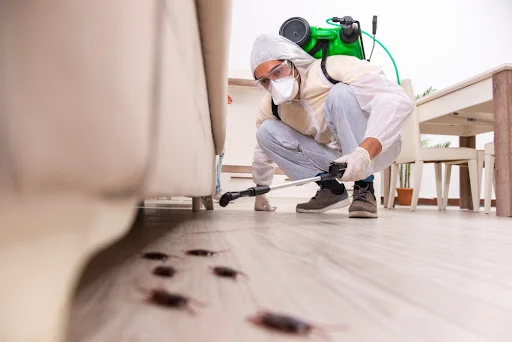
The Garage Nobody Thinks to Inspect
For most homeowners, the garage is the last space that gets any real attention. It becomes a dumping ground for old furniture, seasonal gear, half-used tins of paint, and anything that does not have a place inside the house. As long as the door opens and the car fits, it is considered fine.
Then cockroaches start appearing. Or the car develops a strange smell. Or a mechanic points out corrosion that should not be there on a vehicle of that age.
The usual response is to deal with each issue on its own. Spray for the pests. Book the car in. Move on. But when a garage is consistently producing both pest problems and vehicle damage, treating them separately misses the point entirely. The garage itself is the problem, and everything inside it is paying the price.
What a Cockroach-Infested Garage Actually Tells You
Cockroaches do not show up at random. They are drawn to specific conditions: dampness, darkness, warmth, and easy access to shelter. A garage that attracts a persistent cockroach population almost always has underlying issues that go beyond a few cracks in the wall.
Moisture is usually the primary driver. It may come from poor drainage around the slab, condensation from unventilated concrete walls, or water seeping under the garage door after rain. Add clutter that traps that moisture and blocks airflow, and you create the perfect harbourage for pests.
But here is the part most people overlook. Those same conditions that attract cockroaches also accelerate damage to everything stored in the space. Moisture promotes mould growth on walls and ceilings, degrades cardboard and timber, and creates a corrosive environment for metal tools, fixtures, and vehicles. The cockroaches are not the root problem. They are a visible symptom of an environment that is slowly breaking down.
How Garage Conditions Quietly Damage Your Car
A vehicle parked regularly in a damp, poorly ventilated garage is exposed to conditions that cause gradual but real harm.
Moisture in the air accelerates underbody corrosion, particularly on brake lines, exhaust components, and suspension parts. Rubber seals around doors, windows, and the boot degrade faster when constantly exposed to humidity. Battery terminals corrode more quickly, which can lead to starting issues or electrical faults that seem to appear out of nowhere.
Cockroach droppings and debris also create problems that are easy to miss. Cabin air filters become contaminated, which affects air quality inside the vehicle. Drainage channels beneath the windscreen and along door frames get blocked by a combination of pest debris, dust, and organic matter, which leads to water pooling in places it was never meant to sit.
There is also a secondary risk. Cockroach-heavy environments often attract rodents, which follow similar food and moisture sources. Once rodents enter the picture, the potential for serious wiring damage increases significantly.
Why Treating Pests Alone Does Not Solve It
Many homeowners reach for a surface spray or a can of insecticide when they spot cockroaches in the garage. It kills what is visible, and for a week or two, the problem seems handled. But the cockroaches return because nothing has changed about the environment that attracted them in the first place.
Gaps under the door are still there. The ventilation is still poor. The moisture is still building. The clutter is still blocking airflow and creating undisturbed nesting areas.
Effective cockroach pest control goes well beyond dealing with the insects you can see. A proper treatment targets harbourage points, seals entry paths, and addresses the environmental attractants that sustain the population. That is what separates a temporary fix from a permanent one. Without correcting the conditions that support the infestation, every spray is just resetting the clock until the next wave arrives.
The Vehicle Damage That Builds Up Unnoticed
The tricky part about environment-related vehicle wear is that it builds gradually. You will not notice underbody corrosion during your daily routine. Degraded rubber seals do not fail overnight. A slowly corroding battery terminal might work fine for months before it causes a no-start situation on a cold morning.
These issues tend to surface all at once, usually during a routine service or when something fails at the worst possible time. The mechanic finds rust where there should not be any, or a brake component has seized from moisture exposure, or an air filter is so contaminated it needs replacing far ahead of schedule.
If your vehicle is regularly parked in a garage with known pest or moisture problems, it is worth having a qualified car mechanic in Newcastle or your local area carry out a focused inspection for environment-related wear. Catching corrosion, seal degradation, or drainage blockages early is far cheaper than dealing with the failures they eventually cause.
A Smarter Approach: Fix the Environment, Protect Everything in It
The most effective way to deal with a problem garage is to stop treating the symptoms separately and address the shared root cause.
Start with ventilation. If the garage has no airflow, moisture will always accumulate. Simple solutions like wall vents, a small exhaust fan, or even leaving the door slightly open during dry periods can make a measurable difference.
Next, look at sealing. Check the bottom of the garage door, the joins between walls and slab, and any penetrations where pipes or cables enter. These are the entry points for both moisture and pests, and closing them off reduces both problems at once.
Reduce clutter. Anything stored directly on the floor traps moisture underneath and creates undisturbed shelter for insects and rodents. Elevate storage on shelving, clear out items you no longer need, and keep a path for air to circulate through the space.
Finally, schedule regular pest treatment and vehicle inspections as part of your broader home maintenance. Treating these as connected tasks rather than separate emergencies stops the cycle of reactive spending and keeps both the property and the vehicle in better shape long term.
Conclusion
A problem garage does not just attract pests. It slowly damages everything stored inside, from tools and furniture to the vehicle you rely on every day. The persistent cockroaches, the unexplained car repairs, and the musty smell are all connected to the same underlying issue: an environment that nobody has properly addressed.
Fixing the garage itself is the step that makes every other fix last. It stops the pest cycle, protects the vehicle, and prevents the kind of compounding repair costs that build quietly until they become impossible to ignore.